Beginner Craft Ideas That Do Not Need Expensive Tools
Discover accessible craft ideas for beginners that require minimal, inexpensive tools. Start creating without significant upfront investment in specialized.

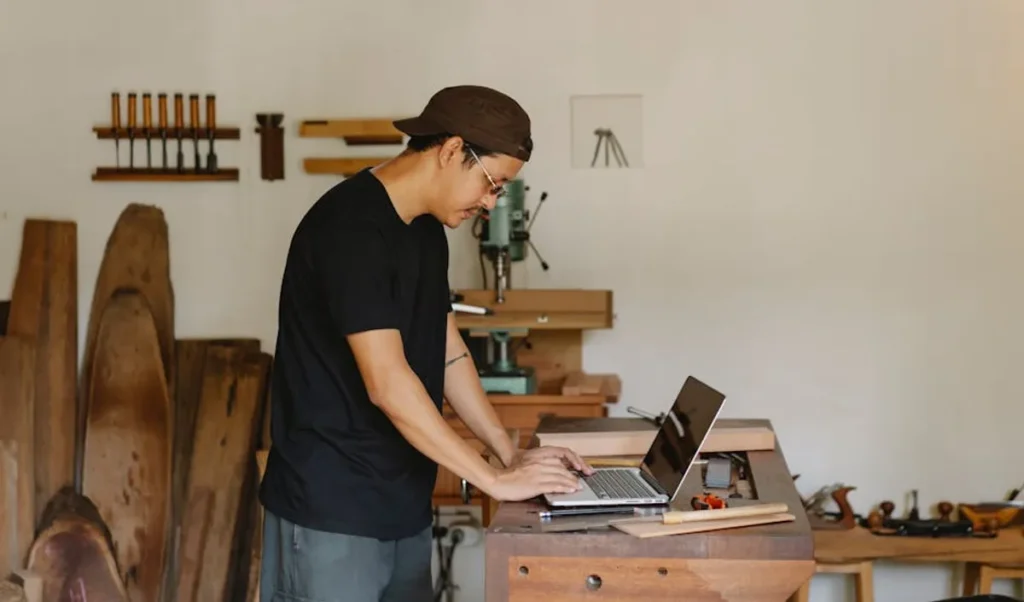
Discover accessible craft ideas for beginners that require minimal, inexpensive tools. Start creating without significant upfront investment in specialized.
Many aspiring crafters hesitate to begin due to the perceived high cost of specialized tools. This often creates an unnecessary barrier, suggesting that quality creative output requires significant upfront investment. However, a wealth of engaging craft projects exists that demand little more than common household items or readily available, low-cost supplies. This guide focuses on specific beginner-friendly craft ideas designed to minimize tool expenditure, allowing immediate creative engagement without financial burden. The emphasis is on resourcefulness and technique, demonstrating that creativity thrives independently of expensive equipment.
The key to low-cost crafting lies in selecting categories that inherently rely on basic manipulation or repurposing rather than precision machinery. These areas often leverage materials that are inexpensive, found, or already present in most homes.
Paper is a universally accessible and affordable medium. The primary tools required are typically cutting implements and adhesives, which have numerous household equivalents.
Working with yarn or thread doesn't always necessitate knitting needles or crochet hooks. Many techniques rely on direct hand manipulation or simple, improvised looms.
Transforming existing objects into new creations is a highly cost-effective approach. The "tools" are often the items themselves or basic household implements.
Utilizing elements found in nature offers a completely free material source, with minimal tools needed for assembly or enhancement.
Beyond specific project ideas, adopting a minimalist mindset regarding tools is crucial for cost-effective crafting. This involves leveraging multi-purpose items and focusing on skill development over equipment acquisition.
Many common household objects can effectively substitute for specialized craft tools:
Pro Tip: When starting any craft, prioritize understanding the fundamental techniques with basic materials before investing in advanced tools. Often, a simple modification of a household item can replicate the function of a specialized tool, allowing you to gauge your interest and commitment without financial risk. This approach builds foundational skills and resourcefulness.
The mastery of a craft often stems from understanding its underlying principles and developing dexterity, not from owning the most expensive tools. For instance, precise paper folds in origami depend on careful creasing and alignment, not a specialized folder. Similarly, the strength of a hand-knitted item comes from consistent tension, not from expensive needles. By focusing on technique, beginners can achieve impressive results with the most basic implements, building confidence and a deeper appreciation for the craft itself.
The world of crafting is vast and welcoming, particularly for those willing to explore its more accessible entry points. By choosing projects that emphasize readily available materials and minimal tool investment, beginners can bypass common financial barriers. This approach not only makes crafting more inclusive but also fosters creativity, problem-solving, and resourcefulness. Begin with what you have, explore the possibilities, and allow your hands to guide your creative expression without the prerequisite of a fully stocked workshop.
What are the absolute essential tools for a beginner crafter?
For most beginner crafts, the absolute essentials include a pair of sharp scissors, a basic craft glue (like white school glue or a glue stick), and a pencil. Many projects can be accomplished with just these items, supplemented by common household objects.
Can I really make quality crafts without buying special equipment?
Yes, absolutely. Many traditional and contemporary craft forms, such as origami, finger knitting, paper mache, and various upcycling projects, are designed to be executed with minimal or improvised tools. The quality often derives from the crafter's attention to detail, patience, and creative application of basic techniques, rather than the cost of their equipment.
Where can I find inexpensive craft materials?
Inexpensive craft materials are abundant. Look to your recycling bin (cardboard, plastic bottles, newspaper), nature (leaves, stones, pinecones), thrift stores (old clothing, fabric scraps), and dollar stores for basic supplies like glue, paint, and paper. Existing household items like yarn scraps or old buttons also offer creative potential.
How do I know if I need a specialized tool for a project?
For beginners, it's best to start with projects that explicitly state "no special tools needed" or suggest common household substitutions. If a project description repeatedly mentions a specific tool, research if a common item can replicate its function. If not, consider if the project aligns with your current commitment level, or if a simpler alternative exists that achieves a similar creative outcome.
If you tackled this, send me a photo. Seriously.
Tag me @diy.queen or email [email protected]