The 7 Best Paint Brushes for Furniture (and 2 to Avoid)
Seven paint brushes that make furniture painting dramatically easier — plus the two common brushes that ruin the finish. Tested on chalk paint and latex.

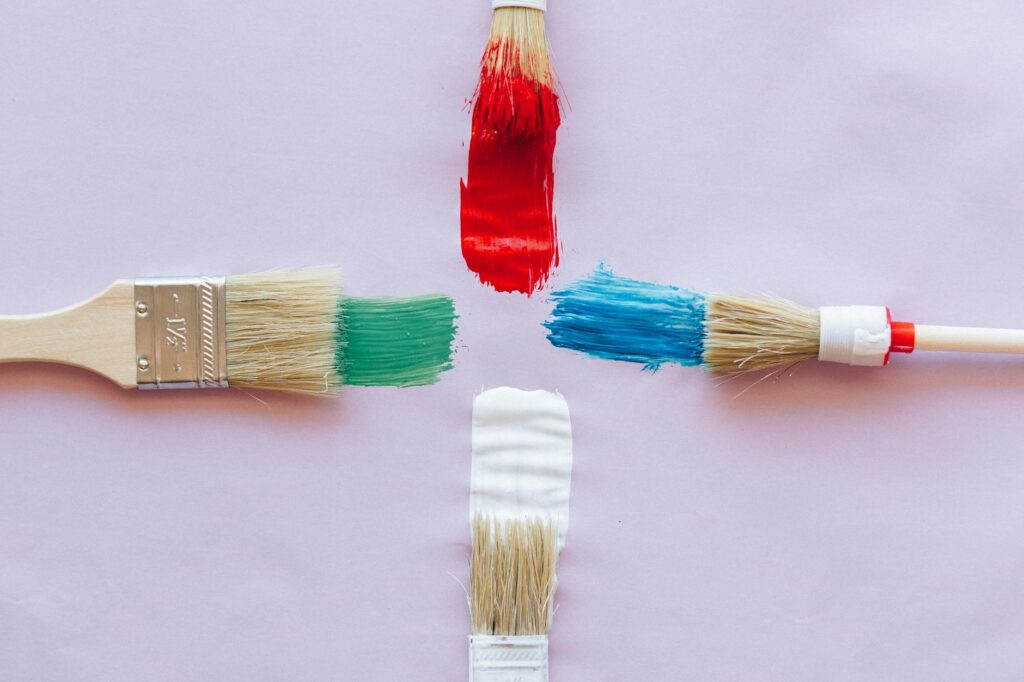
Seven paint brushes that make furniture painting dramatically easier — plus the two common brushes that ruin the finish. Tested on chalk paint and latex.
I have spent more money on paint brushes than I like to admit. I have also spent $2 on a pack of "assorted brushes" at Dollar General and regretted it for three years. If you're painting furniture — especially with chalk paint — the brush is doing 60% of the work. Here are the seven I keep using and the two I tell everyone to throw in the trash.
Walls are forgiving. You roll them. Mistakes get buried. Furniture is unforgiving — you see every streak, drip, and bristle mark. A good brush self-levels (paint flows out smoothly), holds enough paint to do a long stroke without reloading, and doesn't shed bristles into the finish.
Cheap brushes do the opposite of all three.
My workhorse. A round natural-bristle brush with a fat, chunky handle that fits your palm. Great for chalk paint specifically — the round shape reaches into carved detail, corners, and trim. The natural bristles hold tons of paint.
This is the first brush I tell anyone to buy. If you're new to painting furniture, start here. My full chalk paint tutorial walks through using this brush in context.
Pricier, but it's the professional's choice for a reason. Synthetic bristles, flawless finish, nearly no brush marks, dries clean with just water. The Cling On costs three times what a cheap brush does and lasts ten times as long.
Use it on latex, enamel, or water-based cabinet paints. Slightly overkill for chalk paint but still excellent.
The gold standard for trim and cabinets. Synthetic, angled, gives you razor-sharp cut lines. Not the best for broad flat surfaces — better for edges, trim, and any tight work.
If you're doing a kitchen cabinet repaint, pair a Purdy angled brush with a small foam roller. That combination is as close to a sprayed finish as you'll get by hand.
Expensive for what it is, but if you're using Annie Sloan chalk paint, this flat natural-bristle brush is made for it. Wide strokes, great paint load, buttery finish.
Confession: I mostly use mine for wax application now. The wide flat bristles move wax efficiently across a painted surface without leaving ridges.
Not a brush, but I won't paint flat surfaces without one. For the big flat drawer fronts and tabletops, a small dense-foam roller eliminates brush marks entirely. Brush for edges and detail, foam for flat panels. This combination is the secret to furniture that looks factory-finished.
Get the high-density foam, not the cheap yellow ones. The cheap ones shed and leave orange peel.
Underrated and cheap. Synthetic bristle brush that handles latex and water-based paints beautifully. Holds its shape over many washes. Good for someone who doesn't want to drop $28 on a Cling On.
I use this for larger furniture pieces — full dresser frames, bookshelves — where I need good coverage and don't want to re-dip every stroke.
If you seal chalk paint with wax, you need a dedicated wax brush. Natural bristle, round, compact. Do NOT use your paint brushes for wax — the wax will contaminate them forever.
The Zibra wax brush and the generic Amazon "chalk paint and wax brush" both work fine. The $40+ designer ones are mostly aesthetic.
Every one of these is a small disaster. Bristles shed into your finish. Ferrules (the metal band) rust on contact with water-based paint. The handle splinters. You'll pick bristles out of your dried paint for months.
I have genuinely never, in years of painting furniture, had a good result with dollar store brushes. The $3 you save costs you 30 minutes of picking bristles off drawer fronts.
Foam brushes are fine for tiny detail work or applying polyurethane on small items. They are terrible for painting actual furniture. They don't hold enough paint, they leave streaky water marks, and they break down halfway through a project.
Foam brushes are useful. Foam brushes for main furniture painting — not useful.
A good brush well cared for lasts 10+ years. A good brush ignored lasts 3 projects. Here's the care routine:
Pro tip: for overnight breaks mid-project, wrap the brush tightly in plastic wrap and stick it in the fridge. Yes, the fridge. Keeps it from drying. Good for up to a few days.
If you're building a furniture-painting toolkit from scratch, spend about $60 on three brushes:
Add a 6-pack of foam rollers ($12) and you're set for most projects. That's $65 for a kit that'll outlast all the cheap brushes I've ever owned combined.
The biggest predictor of a bad furniture paint job isn't skill or paint — it's the brush. Every single time I've had a finish look cheap, I can trace it back to a brush I was too cheap to replace. Don't repeat my mistake. Spend $20 on one decent brush. Wash it when you're done. Use it for the next five pieces. Thank me later.
If you're just starting out on furniture painting, grab the Zibra and my chalk paint guide, pick a small practice piece (thrift a $10 side table — my guide on finding furniture at thrift stores covers the hunt), and start there. By your third piece you'll see why the brush matters.
If you tackled this, send me a photo. Seriously.
Tag me @diy.queen or email [email protected]