DIY Gift Ideas: Beginner Guide
Discover essential tips and beginner-friendly DIY gift ideas, from edible treats to personalized crafts, ensuring unique, heartfelt presents for any occasion.


Discover essential tips and beginner-friendly DIY gift ideas, from edible treats to personalized crafts, ensuring unique, heartfelt presents for any occasion.
Creating a truly memorable gift often extends beyond a simple purchase. For those new to crafting, the prospect of making a handmade item can seem daunting, yet it offers unparalleled opportunities for personalization and heartfelt expression. This guide focuses on demystifying the process, providing a structured approach for beginners to successfully conceive, create, and present unique DIY gifts. The aim is to equip you with the foundational knowledge and practical steps necessary to produce thoughtful presents, whether driven by budget considerations, a desire for bespoke items, or the simple joy of giving something made with personal effort.
Handmade gifts carry an inherent value that mass-produced items often lack. They communicate a deeper level of thought and effort, translating into a more meaningful experience for both the giver and the recipient. For beginners, the motivation often stems from several key aspects:
Successful DIY gifting begins long before any materials are assembled. Strategic planning helps mitigate common beginner frustrations and ensures a smoother crafting process.
Recipient's Interests: The most effective DIY gifts align directly with the recipient's preferences. Consider their favorite colors, hobbies, preferred scents, or practical needs. A gift that integrates seamlessly into their daily life or passions will be more appreciated.
Skill Assessment: Be realistic about your current crafting abilities. Starting with overly complex projects can lead to frustration and incomplete gifts. Opt for projects labeled "beginner-friendly" or "easy" to build confidence and learn fundamental techniques.
Budget Allocation: Determine a realistic spending limit for materials. Many beginner projects require minimal investment, but some specialized tools or high-quality ingredients can add up. Factor in potential costs for packaging as well.
Time Commitment: Estimate the time required for each stage of the project, from material gathering to final assembly and drying times. Allocate buffer time for unexpected delays or learning curves, particularly for projects with multiple steps. Starting several weeks in advance is often prudent.
Material Sourcing: Identify where you will acquire necessary supplies. Local craft stores, discount retailers, and online marketplaces are common sources. For certain items, consider repurposing materials you already have, such as old jars, fabric scraps, or discarded wood.
For beginners, certain categories of DIY gifts offer a lower barrier to entry, requiring minimal specialized tools or advanced techniques.
Food-based gifts are often well-received and can be highly personalized. They typically require basic kitchen skills and common ingredients.
Best for: Recipients who appreciate homemade treats, those with specific dietary preferences (which you can accommodate), or as holiday gifts.
Simple decor items can add a personal touch to a recipient's living space without demanding complex construction skills.
Best for: Individuals who enjoy unique accents, housewarming gifts, or those who appreciate functional art.
Handmade self-care products offer a luxurious and thoughtful way to encourage relaxation and pampering.
Best for: Anyone needing a moment of calm, spa enthusiasts, or as part of a larger self-care gift basket.
These projects often involve basic hand skills and minimal tools, making them ideal for absolute beginners.
Best for: Friends, children, or as small tokens of appreciation.
Pro Tip: When starting any DIY project, especially those involving consumables or items that touch the skin, prioritize safety and proper hygiene. Always use food-grade ingredients for edible gifts, and ensure all containers are sterilized. For self-care items, research essential oil safety guidelines and consider patch testing for potential sensitivities if making for yourself, or advise the recipient to do so.
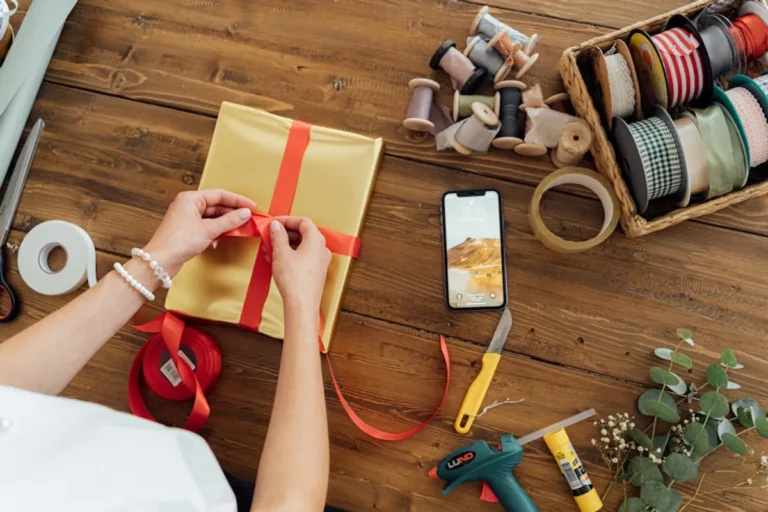
Even the simplest DIY gift can be elevated significantly through thoughtful packaging. Presentation reinforces the care and effort invested in the handmade item.
Beginners often encounter common challenges. Anticipating these can help maintain momentum and ensure project completion.
Embrace Imperfection: Your first few projects may not be flawless. View mistakes as learning opportunities rather than failures. The charm of a handmade gift often lies in its unique, non-uniform character.
Start Small: Begin with projects that have few steps and readily available materials. This builds confidence and familiarizes you with basic techniques before tackling more ambitious endeavors.
Seek Inspiration and Guidance: Utilize online tutorials, craft blogs, and video demonstrations for step-by-step visual guidance. Many resources offer specific tips for beginners. However, always verify material safety and technique instructions.
Successful DIY gifting, especially for beginners, hinges on thoughtful preparation and a willingness to learn. By focusing on the recipient's interests, managing your resources effectively, and choosing projects that align with your current skill level, you can create gifts that are not only unique and personal but also a true reflection of your effort. The process itself offers a rewarding creative outlet, transforming simple materials into cherished tokens of affection. With each project, your skills will develop, opening doors to more complex and intricate creations, making every gift-giving occasion an opportunity for personal expression.
Beginner-friendly options include layered cookie mixes in a jar, infused olive oils, painted mugs, or simple braided friendship bracelets. These projects typically require minimal tools and basic assembly skills.
Focus on clean finishing, neat packaging, and clear presentation. Use quality materials, ensure all elements are securely attached, and add a well-designed, hand-written tag with clear instructions or a personal message.
Consider keeping a basic supply of glass jars, ribbons, twine, craft paper, various adhesives (Mod Podge, craft glue), and a selection of basic paints or markers. These are versatile for many different projects.
For beginners, it is advisable to start at least two to three weeks before the gift is needed. This allows ample time for material sourcing, project completion, drying times, and any unexpected re-dos or adjustments.
If you tackled this, send me a photo. Seriously.
Tag me @diy.queen or email [email protected]