DIY Gift Ideas Checklist: Tools and Materials
Prepare for your next creative project with this essential DIY gift ideas checklist, covering fundamental tools and versatile materials for various handmade.

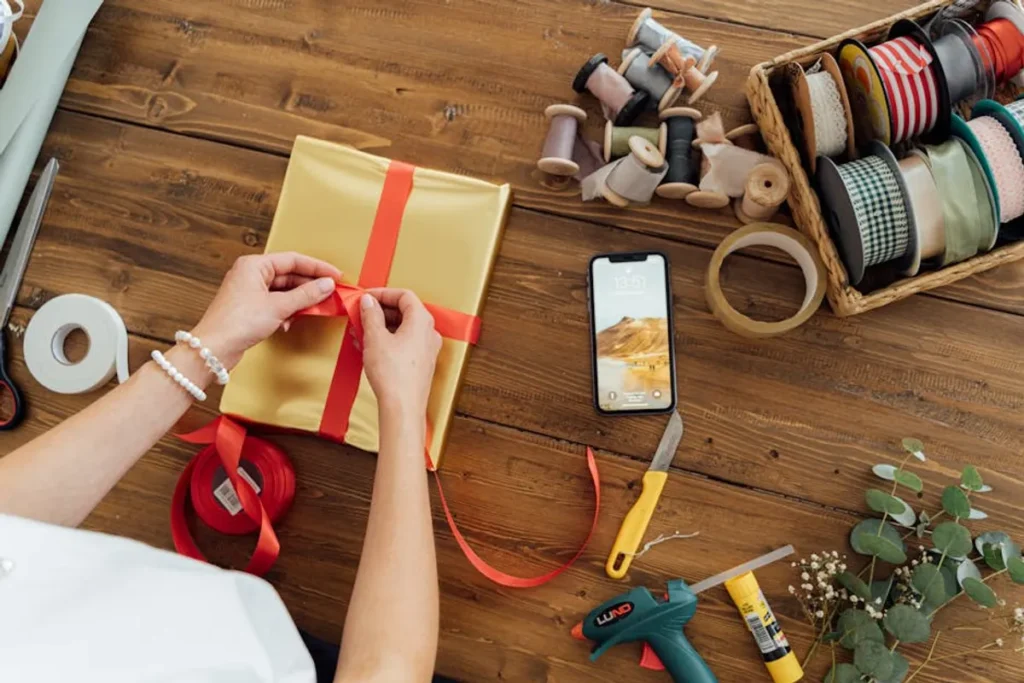
Prepare for your next creative project with this essential DIY gift ideas checklist, covering fundamental tools and versatile materials for various handmade.
Creating thoughtful, handmade gifts begins not with the idea itself, but with the practical foundation: the right tools and materials. Approaching DIY gifting without a prepared checklist often leads to last-minute rushes, compromised quality, and unnecessary frustration. A structured approach to stocking your workspace ensures efficiency, allows for creative spontaneity, and ultimately elevates the finished product, making each gift genuinely impressive. This guide outlines the essential equipment and versatile supplies necessary for a wide range of DIY gift projects, moving beyond generic recommendations to specific categories and their practical applications.
A core set of reliable tools forms the backbone of any productive DIY endeavor. Prioritize durability and precision to ensure consistent results across various crafts. Investing in quality upfront reduces waste and improves the overall gift outcome.
Accurate cuts and measurements are fundamental for professional-looking gifts. A self-healing cutting mat protects surfaces and prolongs blade life, while a heavy-duty utility knife with snap-off blades ensures a consistently sharp edge for paper, cardstock, and thin materials. A metal ruler provides a straight, cut-resistant edge for guiding blades, superior to plastic rulers which can be damaged. For fabric-based projects, dedicated sharp fabric scissors prevent fraying and ensure clean lines, distinct from paper scissors which dull quickly on textiles. A retractable measuring tape is indispensable for larger items or soft materials, offering flexibility and easy storage.
Effective bonding agents are critical for structural integrity and aesthetic finish. A high-temperature hot glue gun with various tip sizes allows for both broad application and fine detail work, suitable for quick bonds on fabric, wood, and plastic. Stock both clear and colored glue sticks to match project needs. For more permanent or load-bearing assemblies, craft glue (PVA-based) offers a strong, flexible bond for paper and light fabrics, while wood glue provides superior strength for wooden components. Super glue (cyanoacrylate) is ideal for small, immediate repairs or attaching tiny embellishments where a fast, strong bond is paramount.
The final presentation often depends on careful shaping and finishing. A set of sanding blocks with various grits (from coarse to fine) is crucial for smoothing edges on wood, polymer clay, or resin, eliminating rough spots and preparing surfaces for paint or sealant. Small hand files are invaluable for detailed shaping and deburring in tight spaces. A rotary tool, such as a Dremel-style kit, offers versatility with attachments for drilling, grinding, sanding, and polishing, enabling intricate work on harder materials like metal, glass, or dense wood. A selection of paintbrushes (flat, round, detail) and sponges ensures even application of paints, stains, or sealants, contributing to a polished final look.
Beyond basic tools, a curated collection of materials allows for diverse creative expression. Consider the texture, durability, and aesthetic impact of each component.
Paper and cardstock form the base for many personalized gifts. Stocking cardstock in various weights (65 lb for light layering, 110 lb for structural cards or boxes) provides versatility. Specialty papers, such as textured, metallic, or patterned sheets, add visual interest and tactile appeal. Adhesive vinyl is essential for custom decals and labels, while heat transfer vinyl (HTV) allows for personalized designs on fabric items like tote bags or t-shirts, requiring a heat press or iron for application.
For soft goods, a collection of fabric scraps (cotton for versatility, felt for no-fray edges, burlap for rustic appeal) provides immediate options for small sewing projects, appliqués, or decorative accents. Yarn in various weights and fibers (e.g., acrylic for durability, cotton for breathability, wool for warmth) supports knitting, crocheting, or macrame projects. Embroidery floss adds fine detail and color to textile-based gifts, often used for personalized monograms or decorative stitching.
Finishing touches elevate a gift from homemade to handcrafted. A selection of beads (glass, wood, plastic), sequins, and buttons offers decorative elements for jewelry, embellishments, or closures. Ribbons in various widths and materials (satin, grosgrain, twine) are essential for packaging, hanging loops, or decorative bows. Small fasteners like eyelets, snaps, or rivets add functional and aesthetic detail to fabric or leather projects. For jewelry, jump rings, earring hooks, and clasps are necessary components for assembly.
For specific types of gifts, dedicated material kits streamline the process and ensure compatibility.
Creating unique, durable pieces requires a specific set of materials. Two-part epoxy resin, which cures to a hard, clear finish, is the primary component. Silicone molds allow for custom shapes and easy demolding. Pigments (liquid or powder) and glitter enable color and sparkle, while mixing cups and stir sticks ensure accurate measurement and thorough blending, crucial for proper curing.
Personalized home fragrance and body care gifts are popular. Wax flakes (soy for clean burning, beeswax for natural scent) form the candle base, paired with appropriate wicks for even combustion. Fragrance oils (essential oils or synthetic) provide scent. For soap, melt-and-pour soap base offers a simple starting point, complemented by silicone molds, soap dyes, and additional fragrance oils. Always ensure materials are skin-safe for soap production.
Homemade treats require food-safe tools and ingredients. Baking molds (silicone or metal) and cookie cutters offer consistent shapes. Piping bags and tips are essential for decorating cakes, cookies, or chocolates with precision. Food-grade colorings and specific ingredients like high-quality chocolate melts, sprinkles, or specialized extracts elevate the culinary gift. Always prioritize food safety and proper storage for ingredients.
Pro Tip: When building your toolkit and material stash, prioritize quality over quantity for frequently used items. A few well-made tools will outperform a drawer full of flimsy alternatives. For materials, focus on versatility and compatibility across multiple potential projects to maximize value and minimize waste. Always check material compatibility before combining different elements, especially with adhesives or finishes.
An organized workspace is as crucial as the tools themselves. Proper storage protects materials, saves time, and fosters a more enjoyable creative process.
A well-stocked and organized DIY station is not just about convenience; it's a strategic investment in the quality and enjoyment of your gift-making process. By methodically assembling a core set of tools and a versatile range of materials, you reduce the friction between idea and execution. This preparedness allows you to focus on the creative aspects, experiment with new techniques, and produce gifts that genuinely reflect care and craftsmanship. Start with the essentials, expand as your interests evolve, and maintain an organized space to ensure every project is a success.
Begin with multi-purpose tools like a sharp utility knife, a sturdy metal ruler, and a reliable hot glue gun. For materials, focus on versatile basics such as cardstock, basic craft glue, and a small selection of fabric scraps. Purchase specific specialty items only when a project explicitly requires them, rather than stocking up broadly at the outset.
First, consider the gift's intended recipient and their preferences, as well as its function and durability requirements. Research similar projects to identify common material choices and their properties (e.g., waterproof, food-safe, flexible). Always test a small sample of materials together if you are unsure about compatibility, especially with adhesives or finishes.
Local craft stores often offer a wide selection and allow you to inspect materials in person. Online retailers specialize in specific craft niches (e.g., jewelry findings, resin supplies) and can provide a broader range and competitive pricing for bulk purchases. Look for suppliers with clear product descriptions, good customer reviews, and transparent return policies.
Tool maintenance is critical for safety, precision, and tool longevity. Regularly clean blades, brushes, and cutting mats. Store tools in a dry environment to prevent rust and damage. Keeping tools sharp and clean ensures consistent results, reduces effort, and prevents mistakes that can compromise the quality of your handmade gifts.
If you tackled this, send me a photo. Seriously.
Tag me @diy.queen or email [email protected]