Easy Upcycling Projects You Can Finish in a Weekend
Discover easy upcycling projects achievable in a weekend, transforming common items into valuable pieces.

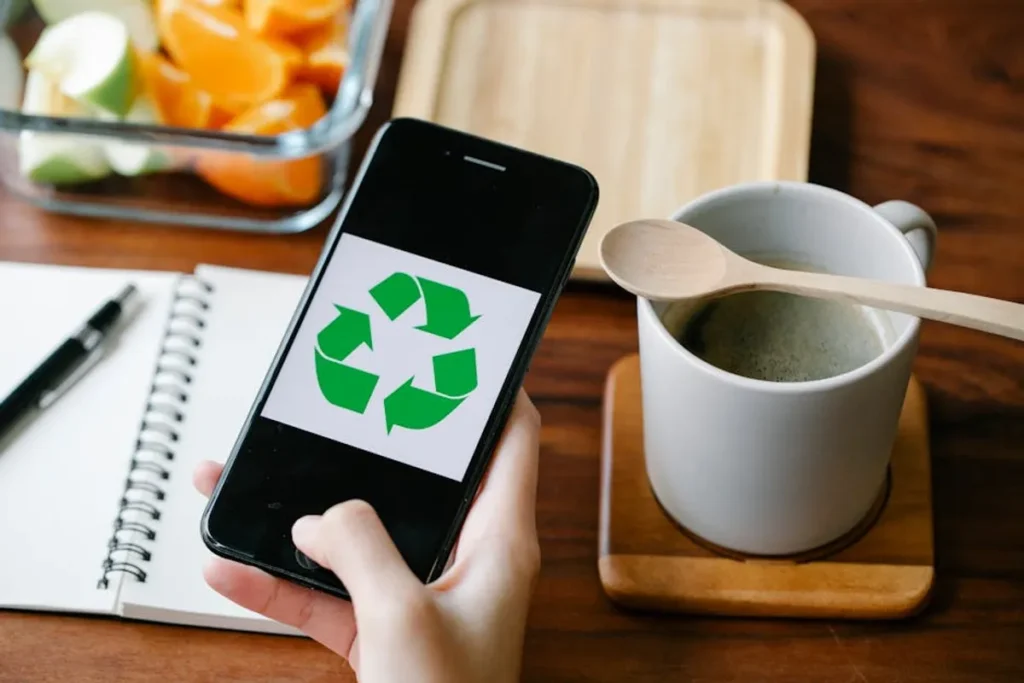
Discover easy upcycling projects achievable in a weekend, transforming common items into valuable pieces.
The appeal of upcycling lies in its transformative power, converting overlooked items into functional or aesthetic assets. For content creators and niche publishers, understanding the specific characteristics that make certain upcycling projects widely accessible and shareable is key. This discussion focuses on projects realistically completed within a weekend, emphasizing the practical elements that drive their popularity and broad appeal—factors directly relevant to identifying high-engagement content opportunities and understanding a significant segment of the DIY market. This discussion focuses on projects realistically completed within a weekend, emphasizing the practical elements that drive their popularity and broad appeal—factors directly relevant to identifying high-engagement content opportunities and understanding a significant segment of the DIY market for easy diy home projects.
Weekend upcycling projects gain traction due to a confluence of factors: low time commitment, minimal financial outlay, and often, immediate visual gratification. These attributes make them ideal for content that resonates with broad audiences seeking practical, budget-friendly solutions for home improvement, decor, or personal style. The accessibility of materials—frequently items already owned or easily sourced from thrift stores—further lowers the barrier to entry, expanding the potential audience for both project execution and content consumption. These attributes make them ideal for content that resonates with broad audiences seeking practical, budget-friendly solutions for home improvement, decor, or personal style, offering practical craft ideas.
Projects that utilize common household items or inexpensive second-hand finds inherently possess wider appeal. This translates into higher search interest for terms related to repurposing specific everyday objects (e.g., "what to do with old glass jars," "upcycle denim jeans"). Content showcasing these transformations can tap into a consistent demand for resourceful, cost-effective solutions. The emphasis on readily available materials also reduces friction for users attempting the projects, leading to higher completion rates and potential for user-generated content.
The most successful weekend upcycling projects offer a clear before-and-after narrative with significant visual impact. This dramatic transformation is a powerful driver for social sharing and engagement. Projects range from functional upgrades (e.g., storage solutions) to purely aesthetic enhancements (e.g., decorative items), catering to diverse user needs and interests. Identifying these high-impact, versatile projects allows content strategists to develop evergreen topics with sustained relevance.
Small-scale furniture upcycling represents a cornerstone of weekend projects, offering tangible results with manageable effort. These projects are particularly valuable for demonstrating high-impact transformations with minimal investment, making them excellent subjects for visual content and step-by-step guides.
An outdated side table, nightstand, or dining chair can be completely revitalized in a weekend. The process typically involves light sanding, priming, and a fresh coat of paint—chalk paint, milk paint, or spray paint are popular for their quick drying times and varied finishes. Adding new hardware (knobs, pulls) or reupholstering a seat cushion with a fabric remnant elevates the piece. These projects are popular because they require few specialized tools and result in a custom, functional item. Content around these projects often performs well due to the clear visual improvement and practical application.
Old wooden drawer units or small dressers, often found inexpensively, offer significant upcycling potential. Beyond a simple repaint, drawers can be removed and repurposed individually as wall shelves or storage boxes. The unit itself can be transformed into a potting bench, a bar cart (with added wheels and a top surface), or a child's play kitchen. The modular nature of drawer units provides multiple content angles, showcasing versatility and creative adaptation.
Upcycling for home decor and organization addresses practical needs while allowing for creative expression. These projects often involve common household waste or overlooked items, appealing to an audience interested in sustainability and clever storage solutions.
Glass jars (food jars, mason jars) and bottles (wine bottles, soda bottles) are abundant and highly versatile.
These projects highlight resourcefulness and offer clear, replicable steps, making them ideal for visual tutorials and short-form video content.
Scraps of fabric, old bedsheets, or worn-out clothing can be given new life. An old sweater can become a pet bed or decorative pillow cover. Denim jeans can be cut and sewn into tote bags, small storage baskets, or even patched onto other garments for a customized look. T-shirts can be braided into rugs or cut into yarn for various craft projects. The focus here is on sustainable practices and creating unique, personalized items, which resonates with audiences seeking eco-friendly and bespoke solutions.
Personalized fashion and accessories through upcycling offer an avenue for self-expression and sustainable style. These projects often require basic sewing skills or simple embellishment techniques, making them accessible to a wide audience.
Transforming existing garments is a popular weekend activity. A plain denim jacket can be embroidered, painted, or adorned with patches. T-shirts can be cut, tied, or dyed to create new silhouettes or patterns. Old shirts can be refashioned into skirts or tops. These projects appeal to individuals looking to refresh their wardrobe without purchasing new items, and they generate visually compelling content showcasing individual style and creativity.
Broken or outdated jewelry can be disassembled and components reused to create new pieces. Old scarves can be braided into headbands or used to embellish handbags. Leather belts can be cut down to create bracelets or keychains. These small-scale projects require minimal materials and can yield unique, personalized accessories, making them suitable for quick, impactful content pieces.
Pro Tip: Always prioritize safety and proper material preparation. For instance, when working with old furniture, ensure surfaces are thoroughly cleaned and any loose paint is removed to ensure new finishes adhere correctly and are free from contaminants. This attention to detail not only ensures project success but also builds credibility for any related content.
The common thread across these weekend upcycling projects is their ability to transform the mundane into something distinct and valuable. This process of creative problem-solving and resourcefulness holds significant appeal, driving engagement for content that articulates clear steps, showcases dramatic transformations, and emphasizes accessibility. Understanding the specific types of projects that offer high visual impact, utilize common materials, and require minimal specialized skills allows for targeted content development that resonates with a broad, active audience seeking practical and inspiring DIY solutions.
Beginners should focus on items that require minimal structural changes or specialized tools, such as glass jars, small wooden boxes, old T-shirts, or simple pieces of furniture like side tables. These items allow for experimentation with paint, fabric, and basic embellishments.
Excellent sources include items you already own (e.g., old clothing, empty containers), thrift stores, garage sales, and online marketplaces. Many communities also have "freecycle" groups or material exchange programs where items are given away.
Common challenges include underestimating preparation time (sanding, cleaning), choosing the wrong adhesive or paint for a material, or attempting projects that are too complex for a single weekend. Planning and realistic expectations are crucial.
The durability of upcycled items depends on the original material and the techniques used. Using appropriate primers, paints, and sealants can significantly extend the life of furniture. For fabric items, strong stitching and proper care instructions are key.
If you tackled this, send me a photo. Seriously.
Tag me @diy.queen or email [email protected]