Home Improvement Projects Beginners Can Actually Do
Discover beginner-friendly home improvement projects like painting, hardware updates, and smart thermostat installation, offering high impact with minimal skil…

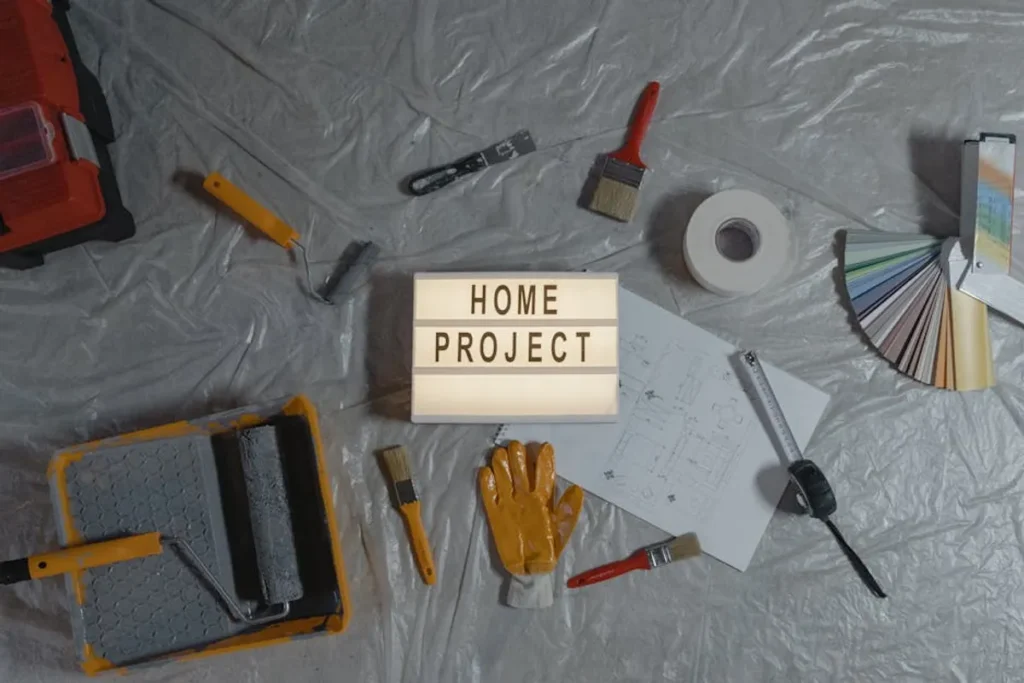
Discover beginner-friendly home improvement projects like painting, hardware updates, and smart thermostat installation, offering high impact with minimal skil…
Embarking on home improvement can feel daunting, especially for those new to DIY. The perceived complexity, cost, and potential for error often deter beginners from starting. However, a range of projects exists that offer significant visual impact and functional upgrades without requiring specialized skills, extensive toolkits, or substantial budgets. Identifying these accessible tasks is crucial for building confidence and achieving tangible results, transforming living spaces efficiently and affordably.
A fresh coat of paint offers one of the most dramatic and cost-effective transformations for any room. This project primarily requires careful preparation, rather than advanced technical skill. The process involves cleaning surfaces, repairing minor imperfections with spackle, taping off trim and ceilings, and applying primer before two coats of paint. Success hinges on patience and proper technique, such as using a W-pattern for roller application to ensure even coverage and avoiding drips.
Best for: Achieving a significant aesthetic change with minimal investment in specialized tools. It allows beginners to practice fundamental skills like surface preparation, masking, and even coating application.
Replacing outdated cabinet pulls and hinges is a quick, high-impact project that revitalizes kitchens and bathrooms without the expense or disruption of a full renovation. This task typically requires only a screwdriver and, in some cases, a drill if new holes are needed. Matching the new hardware’s screw spacing to existing holes simplifies the process considerably, making it a straightforward swap. The visual upgrade is immediate, modernizing the space's overall feel.
Impact: Elevates the perceived value and style of cabinetry, creating a cohesive design element. It’s a low-risk project with a high return on aesthetic investment.
Upgrading to a smart thermostat enhances home comfort and can significantly reduce energy consumption, translating into lower utility bills. Most modern smart thermostats are designed for straightforward installation, often guided by detailed app instructions that walk users through wiring and setup. This project typically involves disconnecting the old thermostat, labeling wires, and connecting them to the new unit according to the manufacturer's guide. Basic electrical knowledge, such as understanding circuit breakers, is beneficial but not strictly necessary for most installations.
Benefit: Improves energy efficiency and offers remote control over home climate, providing both financial and convenience advantages. It introduces beginners to basic home system upgrades.
Pro Tip: Before beginning any electrical project, no matter how minor, always turn off the power to the relevant circuit at your home's main breaker panel. Verify the power is off with a non-contact voltage tester before touching any wires. This step is non-negotiable for safety.
For kitchens or bathrooms needing a quick refresh, peel-and-stick backsplashes offer a commitment-free solution. These adhesive tiles come in various styles, from subway tile to mosaic patterns, and can be cut with scissors or a utility knife to fit specific dimensions. The installation process involves cleaning and drying the wall surface, measuring, cutting, and carefully applying the tiles, smoothing out air bubbles as you go. This project avoids the mess and skill required for traditional tiling with grout.
Use Case: Ideal for renters or those seeking a temporary style update. It provides a protective and decorative surface without permanent alteration or specialized tools.
Swapping out old light fixtures for new, more modern ones can dramatically alter a room's ambiance and lighting quality. This project requires basic electrical safety knowledge—primarily turning off power at the breaker and using a voltage tester. The process involves disconnecting the existing fixture's wires (typically black, white, and ground), then connecting the new fixture's corresponding wires. Manufacturers provide detailed instructions, often with color-coded wiring diagrams, to guide the process.
Advantage: Updates aesthetics and can improve energy efficiency, especially when switching to LED-compatible fixtures. It's a foundational electrical task for beginners.
Installing simple shelving units or floating shelves transforms cluttered spaces into organized, functional areas. This project primarily involves accurate measuring, leveling, and securely fastening brackets or shelf supports to wall studs using a drill and appropriate hardware. Understanding how to locate wall studs is key to ensuring stability and weight-bearing capacity. Pre-made shelving kits often include all necessary components and instructions, simplifying the process for novices.
Approaching home improvement projects with a clear understanding of your capabilities and the project's demands ensures a positive outcome. Begin with tasks that have minimal irreversible consequences and build your confidence with each successful completion. Always prioritize safety by using appropriate personal protective equipment and adhering to manufacturer instructions for tools and materials. Researching tutorials and watching instructional videos can further demystify processes and equip you with the necessary visual guidance.
What is the most cost-effective home improvement project for beginners?
Painting an interior room typically offers the highest visual impact for the lowest material cost, especially if you already own basic painting supplies.
What tools are essential for starting home improvement projects?
A basic toolkit should include a tape measure, level, stud finder, screwdriver set, utility knife, hammer, and a cordless drill. These tools cover most beginner-level tasks.
How do I ensure safety during electrical projects?
Always turn off the power to the specific circuit at your main electrical panel before starting any work. Use a non-contact voltage tester to confirm the power is off before touching any wires, and wear insulated gloves.
When should I consider hiring a professional instead of DIY?
Consider professional help for projects involving structural changes, complex plumbing or electrical work beyond simple fixture swaps, gas lines, or tasks requiring specialized permits or extensive experience to ensure code compliance and safety.
If you tackled this, send me a photo. Seriously.
Tag me @diy.queen or email [email protected]