Homemade gifts made easy: Ideas, Reviews, Tips, and Practical Guide
Master the art of homemade gifts with practical ideas, strategic tips, and a comprehensive guide to efficient creation and impactful presentation.

Master the art of homemade gifts with practical ideas, strategic tips, and a comprehensive guide to efficient creation and impactful presentation.
Homemade gifts offer a distinct advantage over store-bought alternatives by enabling precise personalization, controlled expenditure, and a unique expression of effort. This approach moves beyond simple sentimentality, becoming a strategic choice for those aiming to deliver memorable, impactful items while managing resources efficiently. Understanding the core principles of conception, execution, and evaluation transforms the act of gifting into a deliberate process, ensuring the final product resonates deeply with the recipient and aligns with the giver's objectives, whether those are budget adherence, skill development, or fostering stronger connections. The objective is to demystify the creation process, providing a framework for consistently producing high-quality, thoughtful gifts without unnecessary complexity or expense.
The initial phase of homemade gifting involves selecting a concept with a high probability of success and recipient appreciation. This requires a shift from generic ideas to targeted solutions, considering both the individual receiving the gift and the context of the occasion. A well-chosen concept maximizes perceived value and minimizes wasted effort.
Effective homemade gifts are rooted in a deep understanding of the recipient's preferences, hobbies, and needs. Generic items, while easy to produce, often miss the mark on personalization. Instead, focus on creating something that directly addresses a known interest or solves a specific, albeit minor, problem for them. For instance, a recipient who frequently travels might appreciate a custom-designed passport holder or a compact, personalized travel journal. Someone passionate about cooking could value a unique spice blend, a handmade recipe book, or a set of infused oils. This targeted approach ensures the gift is not merely a token, but a functional or meaningful addition to their life.
Pro Tip: Maintain a running list of potential gift recipients and note their expressed interests, recent purchases, or casual mentions of needs throughout the year. This proactive data collection streamlines the concept generation phase, eliminating last-minute brainstorming and increasing the likelihood of a truly relevant gift.
The occasion dictates the appropriate scale and nature of a homemade gift. A small, thoughtful gesture for a casual get-together differs significantly from a more elaborate item for a milestone birthday or holiday. For birthdays, consider gifts that celebrate individuality, such as a custom piece of art or a personalized item related to their birth month. Holiday gifts can lean into themes of warmth, comfort, or shared experiences, like a batch of gourmet hot cocoa mix or a festive home decor item. Wedding or anniversary gifts often require a higher level of craftsmanship and durability, focusing on items that symbolize lasting connection, such as a custom-engraved wooden keepsake box or a hand-stitched photo album. Adapting the concept to the occasion ensures cultural relevance and proportional effort.
Efficient material sourcing and stringent budget management are critical to the viability and success of homemade gift projects. These strategies ensure that the creative process remains enjoyable and cost-effective, preventing unexpected expenses or material shortages.
Before purchasing new materials, conduct an inventory of existing supplies. Many homemade gift concepts can be executed using items already on hand, reducing both cost and waste. Fabric scraps can become small pouches or decorative elements. Leftover yarn can be repurposed into coasters or small knitted accessories. Glass jars or bottles can be cleaned and transformed into decorative containers for homemade preserves or bath salts. This approach not only saves money but also encourages creative problem-solving and sustainable practices. Prioritizing repurposed materials also allows for experimentation without significant financial commitment.
For projects requiring new materials, strategic purchasing can yield significant savings. Buying in bulk, particularly for consumables like craft paper, specific glues, or common embellishments, often reduces the per-unit cost. However, a cost-benefit analysis is essential: ensure the quantity purchased aligns with current and foreseeable project needs to avoid excess inventory that might expire or become obsolete. Compare prices across multiple suppliers, including local craft stores, online retailers, and wholesale distributors, to identify the most economical options without compromising quality. Sometimes, a slightly higher initial investment in a durable, high-quality base material can lead to a superior finished product that justifies the expense.
The efficiency of your production workflow directly impacts the feasibility and enjoyment of making homemade gifts. Implementing structured techniques can transform complex projects into manageable steps, reducing stress and improving output consistency.
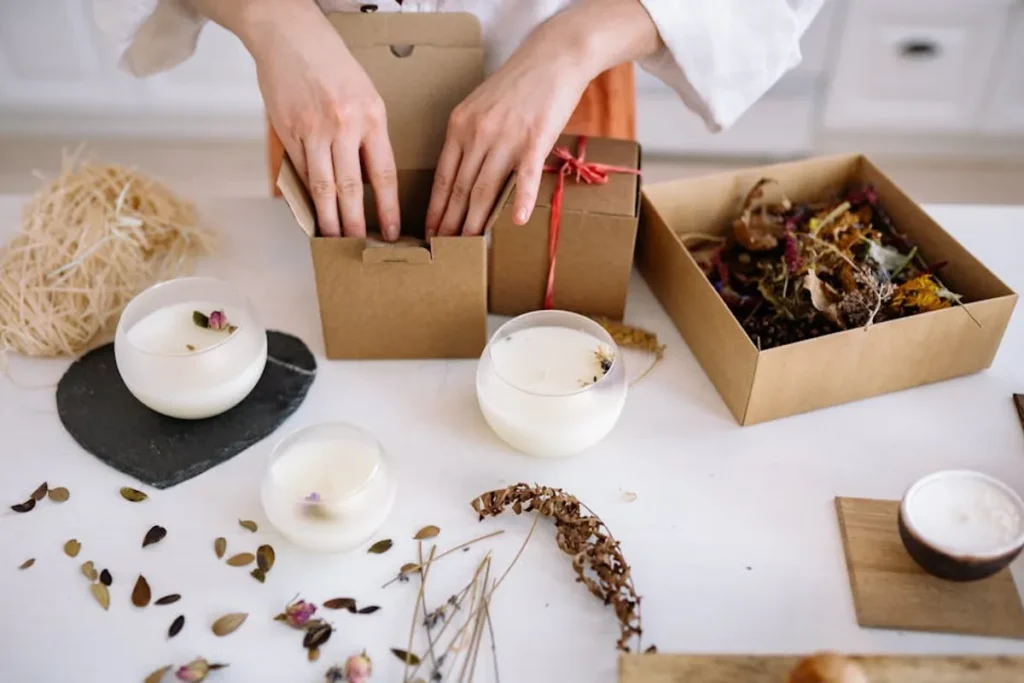
When creating multiple similar items or gifts for several recipients, employing batch production principles significantly boosts efficiency. Instead of completing one gift from start to finish, break down the process into discrete, repeatable tasks. For example, if making custom candles, first prepare all wicks, then melt all wax, then pour all candles, and finally, apply all labels. This minimizes setup and teardown times for tools and materials, capitalizes on muscle memory for repetitive actions, and reduces cognitive load by focusing on one type of task at a time. This method is particularly effective for items like baked goods, personalized stationery, or small textile projects.
Allocate specific time blocks for gift creation, treating these sessions as appointments. This prevents procrastination and ensures consistent progress. For more intricate projects, break them into smaller, achievable milestones. Simultaneously, view each project as an opportunity for skill development. If a gift requires a new technique, such as basic embroidery or a specific woodworking joint, invest time in practicing that skill beforehand. This not only improves the quality of the current gift but also expands your repertoire for future projects. Online tutorials, workshops, or even simple practice pieces can accelerate this learning curve, turning a challenge into a valuable skill acquisition.
Evaluating the impact of a homemade gift goes beyond the initial exchange; it involves understanding how the recipient perceives its value and utility. This feedback loop is crucial for refining future gifting strategies and ensuring continued success.
Directly asking for feedback on a homemade gift can sometimes feel awkward. Instead, rely on informal observation and subtle cues. Does the recipient use the item? Is it displayed prominently? Do they mention it in conversation later? Positive indicators include repeated use, integration into their daily routine, or enthusiastic comments from the recipient to others. Conversely, an item that is quickly stored away or never mentioned might indicate a mismatch in preference or utility. Pay attention to their initial reaction—genuine delight versus polite acknowledgment. These observations provide qualitative data on the gift's success without requiring explicit questioning.
The true value of a homemade gift often unfolds over time. Consider how well the item holds up to use and whether it continues to serve its intended purpose. A handmade blanket that remains soft and intact after multiple washes, or a custom piece of jewelry that withstands daily wear, demonstrates superior craftsmanship and material selection. Conversely, an item that quickly deteriorates or breaks suggests areas for improvement in material choice or construction techniques. Prioritizing durability during the creation phase—selecting robust materials, employing strong joinery, or using protective finishes—contributes significantly to the gift's long-term perceived value and reflects positively on the giver's attention to detail.
Consistently producing impactful homemade gifts requires an iterative approach, learning from each project and continuously optimizing your methods. Documenting your process, from concept to completion, creates a valuable knowledge base for future endeavors. This includes noting successful material combinations, effective time-saving techniques, and recipient feedback. By treating each gift as a mini-project with distinct phases of planning, execution, and review, you can systematically enhance both the quality of your creations and the efficiency of your workflow. The goal is to move beyond trial and error, establishing a reliable system for delivering thoughtful, high-value handmade items.
Is a homemade gift always cheaper than a store-bought one?
Not always. While many homemade gifts can be cost-effective, complex projects requiring specialized tools or high-quality materials can sometimes exceed the cost of a mass-produced item. The primary value often lies in personalization and the effort invested, not solely in monetary savings.
What if I'm not particularly "crafty" or skilled?
Many impactful homemade gifts require minimal specialized skills. Focus on simple concepts like custom curated gift baskets, personalized stationery, or easy-to-assemble food mixes. The effort and thoughtfulness often outweigh advanced crafting ability.
How much time should I allocate for making a gift?
Time allocation varies widely by project complexity. Simple gifts might take an hour, while more intricate items could require several days or weeks of intermittent work. Always overestimate the time needed, especially if learning a new skill, to avoid last-minute stress.
How can I ensure my homemade gift looks professional?
Attention to detail is key. Use quality materials, ensure clean finishes (e.g., neat seams, smooth edges), and present the gift thoughtfully with appropriate packaging. Practice new techniques before applying them to the final piece, and don't rush the finishing touches.
If you tackled this, send me a photo. Seriously.
Tag me @diy.queen or email [email protected]