Karnataka temple accommodation: Complete Guide, Tips, Prices, and Things to Know
Planning accommodation near Karnataka's temples requires understanding diverse options, booking nuances, and price considerations for a spiritually focused.

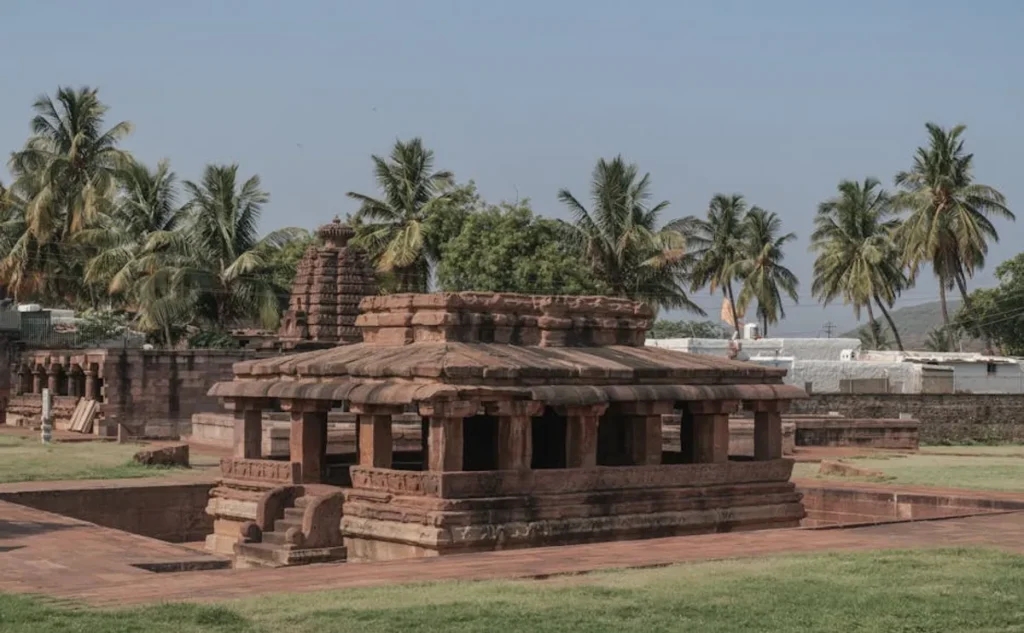
Planning accommodation near Karnataka's temples requires understanding diverse options, booking nuances, and price considerations for a spiritually focused.
Securing accommodation near Karnataka’s numerous temples presents a distinct set of considerations compared to standard hotel bookings. Pilgrims and visitors often seek proximity for early morning rituals, specific amenities tailored to religious travel, and pricing that aligns with varied budgets, from basic dharamshalas to more comfortable private lodges. Understanding the nuances of availability, booking channels, and expected facilities is critical for a seamless experience, especially given the high footfall during festival seasons.
Accommodation options around Karnataka's temples fall into several categories, each catering to different priorities:
The method for booking temple accommodation is not uniform and depends heavily on the type of lodging and the specific temple:
For Temple-Run Facilities: Many larger temples, such as those in Udupi, Sringeri, or Kukke Subramanya, maintain their own online portals for booking dharamshala rooms. These systems usually display real-time availability and allow for advance reservations. For smaller or less prominent temples, direct contact via phone or even on-site booking upon arrival might be the only option. It is advisable to verify the booking method well in advance of travel.
For Private Hotels/Lodges: Standard online travel platforms (OTAs) and the hotels' official websites are the primary booking channels. These typically offer instant confirmation, various payment options, and clear cancellation policies. During major festivals (e.g., Mahashivaratri, Navaratri, annual temple festivals), demand surges, making advance booking 3-6 months out a practical necessity to secure preferred dates and rates.
Pro Tip: Always confirm the exact check-in/check-out times and any specific identification requirements (e.g., Aadhar card, government-issued ID) when booking temple-managed accommodation. Policies can be less standardized than commercial hotels, and adherence is often strict to manage pilgrim flow efficiently.
The cost of temple accommodation in Karnataka varies widely, reflecting the type of facility and the services offered:
Dharamshalas: Prices are typically nominal, often structured as a donation or a fixed low tariff ranging from INR 100 to INR 500 per night for a basic room. These rates are designed to be accessible to all pilgrims. Amenities are minimal, focusing on essential shelter. Some dharamshalas may also offer dormitory-style accommodation at even lower rates.
Private Hotels and Lodges: Entry-level private rooms near temples can start from INR 800-1500 per night, offering basic comfort like an attached bathroom and sometimes AC. Mid-range options, providing better amenities, service, and potentially dining facilities, typically range from INR 2000-4000. During peak seasons or major festivals, these rates can increase by 30-50% due to heightened demand. Factors like proximity to the temple, room size, and inclusion of breakfast also influence the final price.
Navigating temple accommodation effectively requires attention to several practical details:
Proximity to the Temple: For early morning darshan or participation in rituals, selecting accommodation within walking distance is highly beneficial. This minimizes reliance on local transport, which can be scarce or expensive during peak hours.
Amenities and Expectations: Understand that "basic" in a dharamshala often means a clean room with a bed and fan. Hot water may be communal or available only during specific hours. If air conditioning, constant hot water, or in-room dining are priorities, opt for private hotels with clearly listed amenities. Verify if towels, toiletries, or drinking water are provided, or plan to carry your own.
Food and Dining: Many temples offer 'prasadam' or 'anna dana' (free meals) to pilgrims, which are simple, vegetarian, and prepared hygienically. This is a cost-effective and culturally significant dining option. Private accommodations may have their own restaurants, and local eateries around temples often serve regional vegetarian cuisine. Be prepared for potentially limited non-vegetarian options.
Cleanliness and Maintenance: Standards of cleanliness can vary. While most temple-managed facilities strive for hygiene, they cater to a high volume of visitors. Private establishments generally offer higher standards of maintenance. Carrying personal sanitizers and basic cleaning wipes can be useful.
Cultural Sensitivity: Dress modestly when staying near temples and participating in temple activities. Respect local customs and maintain a quiet demeanor, especially within temple premises and dharamshalas.
To ensure a smooth experience, consider these planning points:
Always carry a valid government-issued photo ID (like Aadhar card, Passport, or Driver's License), as it is often required for check-in at both temple-run and private accommodations. Confirm check-in and check-out times, which can sometimes be earlier than standard hotel timings for dharamshalas. If traveling with elderly individuals or those with mobility challenges, inquire about accessibility features like ramps or ground-floor rooms, as older temple structures and guesthouses may not be fully accessible.
Local transport options typically include auto-rickshaws, shared taxis, or sometimes local buses. Clarify fares beforehand to avoid overcharging. Be aware that noise levels can be higher than expected, particularly in dharamshalas, due to early morning prayers, temple bells, and pilgrim activity.
Q: Is it necessary to book temple accommodation in advance?
A: Yes, especially during weekends, public holidays, and major temple festivals. Booking 1-3 months in advance is recommended for popular temples to ensure availability and better rates.
Q: Are non-vegetarian food options available near temples?
A: Most temple towns have a strong vegetarian tradition, with many establishments exclusively serving vegetarian food. Non-vegetarian options might be limited and usually found further away from the immediate temple vicinity.
Q: What should I carry for a dharamshala stay?
A: It's advisable to carry your own toiletries, towels, a bedsheet or light blanket if you prefer, and any personal medications. Basic rooms may not provide these items.
Q: Are there family rooms available in temple accommodations?
A: Many dharamshalas and some private lodges offer larger rooms or suites suitable for families. It's best to confirm the capacity and bedding arrangements directly with the accommodation provider.
If you tackled this, send me a photo. Seriously.
Tag me @diy.queen or email [email protected]