Mayfair London Review: What It Is, Features, Safety, and Alternatives
This content entity targets users seeking in-depth evaluations of services, features, safety, and alternatives for Mayfair, London.

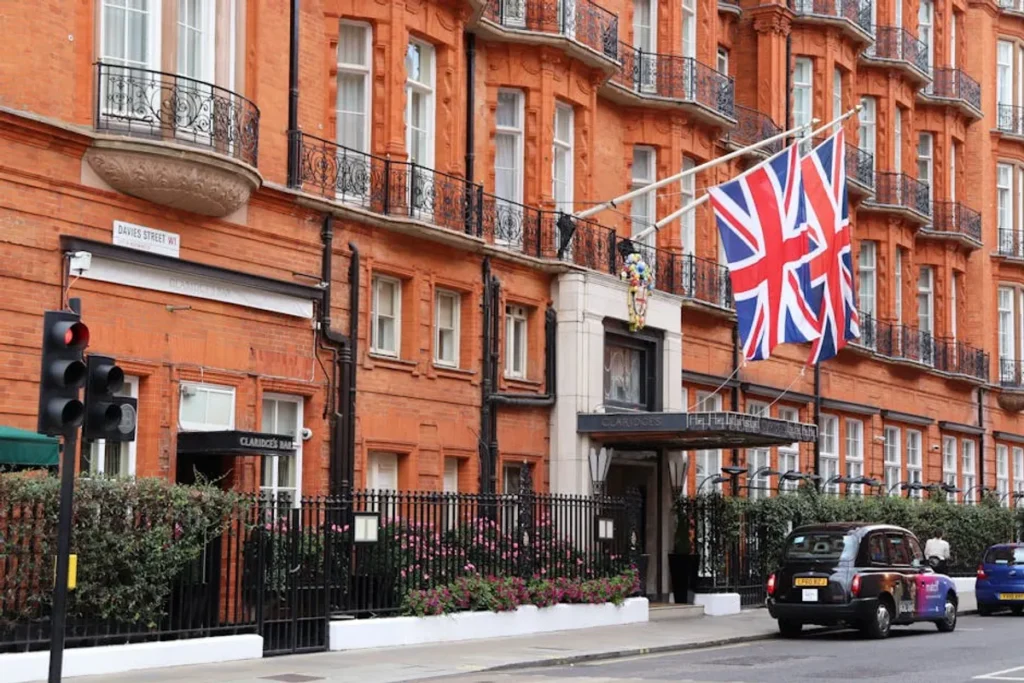
This content entity targets users seeking in-depth evaluations of services, features, safety, and alternatives for Mayfair, London.
A content entity or website operating under the moniker "Mayfair London Review" positions itself to capture search demand from individuals seeking detailed evaluations and insights into various facets of London's affluent Mayfair district. Analyzing its search footprint involves understanding the specific queries it addresses, the depth of its content, and how it differentiates itself within a competitive niche focused on luxury, lifestyle, and services. The value in profiling such a site lies in identifying how it monetizes high-intent search traffic by providing comprehensive, trustworthy information that influences user decisions related to a high-value geographic area.
The content published by "Mayfair London Review" likely centers on a detailed examination of services, establishments, and experiences within the Mayfair area. This includes categories such as luxury hotels, high-end dining, exclusive retail, art galleries, property services, and bespoke concierge offerings. Articles would typically delve into the 'What It Is' aspect, providing foundational information about specific venues or service types. For instance, a piece might explain the concept of a private members' club in Mayfair, detailing its history, typical offerings, and target clientele. The 'Features' component would involve an in-depth breakdown of amenities, unique selling points, and operational specifics, allowing readers to compare and contrast options. This could cover everything from the architectural nuances of a heritage building to the specific services provided by a wealth management firm. The 'Safety' aspect suggests content addressing reliability, security protocols, or due diligence considerations, particularly relevant for high-value transactions like property investments or exclusive service engagements. Finally, 'Alternatives' content would compare various options within a given category, guiding users towards choices that best fit their specific needs or preferences, such as contrasting different luxury apartment buildings or fine-dining establishments. The depth of these articles would need to be substantial, often exceeding 1,500 words, to justify the 'review' designation and provide sufficient detail for a discerning audience.
Traffic for "Mayfair London Review" would primarily originate from long-tail, commercially-investigational queries. Users searching for "best luxury hotels Mayfair reviews," "Mayfair private members club features," or "Mayfair property investment safety" would find this content highly relevant. Geographic modifiers like "London" and "Mayfair" are crucial, ensuring local intent is captured. The site would also attract users seeking specific brand or establishment reviews, such as "[Hotel Name] Mayfair review" or "[Restaurant Name] London features." Informational queries like "what is Mayfair known for" or "history of Mayfair luxury" could serve as entry points, drawing users into deeper, more specific review content. Given the high-value nature of Mayfair services, searchers are often in the later stages of their decision-making process, seeking validation or detailed comparisons before committing to a purchase or booking. Traffic patterns might show seasonal peaks correlating with tourism seasons or major events in London, as well as consistent baseline interest from affluent residents and business travelers.
The primary search intent targeted by "Mayfair London Review" is a blend of informational and commercial investigation. Users are not just looking for basic facts; they are seeking comprehensive understanding, comparative analysis, and trust signals.
Informational Intent: Users have questions about what Mayfair offers, the types of services available, or the general characteristics of the district. Examples include "what are the best art galleries in Mayfair" or "understanding Mayfair luxury property market."
Commercial Investigation Intent: This is the dominant intent. Users are actively researching options, comparing features, assessing reliability, and looking for recommendations or warnings. Queries such as "Mayfair concierge service reviews," "safety of investing in Mayfair real estate," or "alternatives to [specific Mayfair hotel]" fall into this category. The inclusion of 'Safety' and 'Alternatives' directly addresses the need for due diligence and comparative shopping.
Navigational Intent: While less direct, users familiar with the "Mayfair London Review" brand might navigate directly to the site or search for "[Site Name] reviews" to find specific content.
The content strategy would need to cater to these intents by providing well-researched, unbiased, and detailed articles that answer specific user questions and facilitate informed decision-making.
Traffic for "Mayfair London Review" would likely rise with consistent publication of high-quality, in-depth reviews that cover emerging trends or newly opened establishments in Mayfair. Strong editorial authority, built on expert insights and detailed analysis, would foster trust and encourage repeat visits and organic linking. Positive shifts in Google's ranking algorithms that favor authoritative, long-form content could also boost visibility. Conversely, traffic could fall if the content becomes outdated, failing to reflect changes in Mayfair's dynamic landscape, such as new venue openings or closures. A lack of consistent content updates, poor technical SEO (e.g., slow page speed, mobile unfriendliness), or an increase in direct competitors publishing similar, more comprehensive content could also lead to declining search visibility. Negative sentiment or a perceived lack of objectivity in reviews could erode trust, impacting brand searches and direct traffic.
To improve organic visibility, "Mayfair London Review" could focus on several key areas. First, a robust internal linking strategy would connect related reviews and guides, establishing topical authority around specific Mayfair sub-niches (e.g., "Mayfair dining," "Mayfair luxury shopping"). Implementing structured data markup (Schema.org) for reviews, businesses, and locations would enhance search result snippets, potentially increasing click-through rates. Expanding content clusters to cover every significant aspect of Mayfair life, from historical context to future developments, would create a comprehensive resource. This includes dedicating content to niche topics like "Mayfair art investment opportunities" or "ethical luxury brands in Mayfair." Building editorial relationships with local businesses and experts could lead to valuable insights and potentially natural backlinks. Regular content audits to update existing reviews with new information, prices, or feature changes are crucial for maintaining relevance and accuracy. Furthermore, optimizing for local SEO signals, even if not a physical business, by ensuring all Mayfair-related entities mentioned in content are accurately mapped and described, would assist in capturing geo-specific queries.
When evaluating traffic estimates for a site like "Mayfair London Review," it is critical to understand the limitations of third-party tools. These tools often rely on sampling data and algorithmic projections, which can be less accurate for highly niche, geographically-focused sites, or those with a small but highly valuable audience. Key factors to consider include the tool's data freshness, its coverage of long-tail keywords relevant to Mayfair, and its ability to distinguish between different types of search intent. A site focused on luxury reviews might have lower overall traffic volume but significantly higher conversion potential due to the commercial intent of its audience. Therefore, a low traffic estimate from a general tool might not fully reflect the site's commercial value. Cross-referencing data from multiple sources, if available, and understanding the methodology behind each estimate provides a more nuanced picture of true search visibility and audience engagement.
What types of businesses does "Mayfair London Review" typically cover?
"Mayfair London Review" typically covers a range of high-end businesses and services within the Mayfair district, including luxury hotels, fine-dining restaurants, exclusive retail boutiques, private members' clubs, art galleries, and bespoke property or concierge services.
How does "Mayfair London Review" address the 'Safety' aspect?
The 'Safety' aspect in "Mayfair London Review" content likely refers to evaluating the reliability, security protocols, and trustworthiness of services or investments within Mayfair. This can include due diligence for property transactions or assessing the integrity of luxury service providers.
What kind of search intent does "Mayfair London Review" target?
"Mayfair London Review" primarily targets informational and commercial investigation search intent. Users are typically seeking detailed information, comparisons, and evaluations to make informed decisions about high-value services or experiences in Mayfair.
Why is 'Alternatives' an important content category for this site?
The 'Alternatives' category is crucial because it helps users compare different options within a specific service or product type in Mayfair. This content directly addresses commercial investigation intent, guiding users to choices that best meet their specific needs or preferences.
If you tackled this, send me a photo. Seriously.
Tag me @diy.queen or email [email protected]