Beautiful DIY projects for every room. made with a free Saturday and some patience real projects, real receipts, real mistakes handcrafted in a 1920s Charleston bungalow

Budget DIY No. 11 8 min read

Weekend Craft Ideas Checklist: Tools and Materials

Plan your next creative weekend with this essential checklist, detailing the specific tools and materials required for various craft projects.

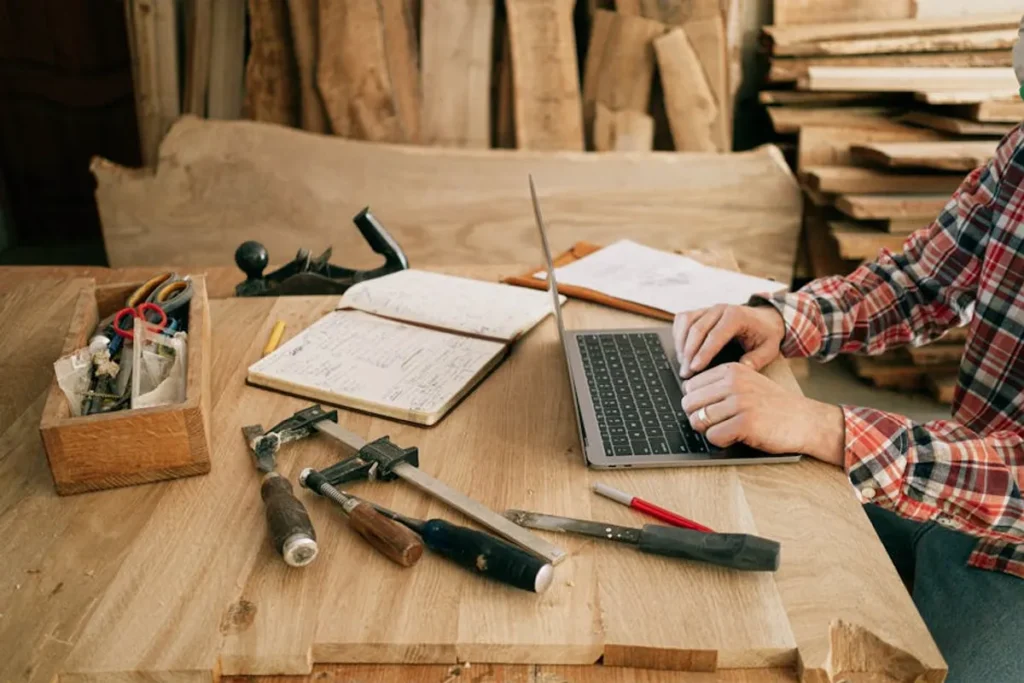
Weekend Craft Ideas Checklist: Tools and Materials
In this project

    Embarking on a weekend craft project often begins with enthusiasm, but that energy can quickly dissipate without proper preparation. The difference between a satisfying creative session and a frustrating search for missing items lies in a well-organized toolkit and a stocked material supply. This guide provides a structured checklist of essential tools and materials, designed to streamline your creative process and ensure you have everything at hand before you begin. By anticipating your needs across various craft disciplines, you can maximize your crafting time and focus purely on execution. By anticipating your needs across various craft disciplines, you can maximize your crafting time and focus purely on execution, remembering these common mistakes to avoid.

    Building Your Core Craft Kit

    A foundational set of tools serves most crafting endeavors, regardless of the specific project. These items are the workhorses of any creative space, providing versatility and efficiency.

    General Purpose Cutting and Measuring

    Precision is paramount in many crafts. Investing in reliable cutting and measuring instruments reduces errors and improves the final appearance of your work.

    • Sharp Scissors: Designate separate pairs for fabric, paper, and general use to maintain blade integrity. Fabric scissors, for instance, should never cut paper, as it dulls them quickly.
    • Craft Knife and Self-Healing Mat: Essential for precise cuts on paper, cardstock, and thin materials. A self-healing mat protects your work surface and prolongs blade life.
    • Rulers: A metal ruler provides a straight edge for cutting with a craft knife, while a clear acrylic ruler with grid lines aids in accurate measuring and squaring up components.
    • Tape Measure: Flexible and indispensable for measuring curves and larger dimensions, particularly in textile or home decor projects.

    Adhesive Basics and Fasteners

    The right adhesive ensures your creations hold together securely and professionally. Different materials demand specific bonding agents.

    • Craft Glue: A versatile, all-purpose liquid adhesive suitable for paper, fabric, and embellishments. Look for quick-drying, clear-drying formulas.
    • Glue Stick: Ideal for temporary holds or for adhering large, flat paper surfaces without wrinkling.
    • Hot Glue Gun and Sticks: Offers a strong, immediate bond for heavier embellishments, three-dimensional projects, or quick repairs. Ensure you have both high-temp and low-temp options for varying material sensitivities.
    • Double-Sided Tape: Provides a clean, flat bond for paper and lighter materials, excellent for scrapbooking or card making.

    Protective and Cleaning Supplies

    Maintaining a clean workspace and protecting yourself are often overlooked but crucial for a smooth crafting experience.

    • Disposable Gloves: Protect hands from paints, dyes, and strong adhesives.
    • Surface Protectors: Old newspapers, cardboard, or dedicated craft mats shield your tables from spills and scratches.
    • Wipes and Paper Towels: For immediate cleanup of spills and sticky residues.

    Paper Crafting: Precision and Presentation

    Paper crafts encompass everything from card making and scrapbooking to intricate origami and paper sculpture. The tools and materials here focus on manipulating paper effectively.

    Specialized Paper Tools

    These tools enhance the aesthetic and structural quality of paper projects.

    • Scoring Board and Bone Folder: Creates crisp, clean folds in cardstock, preventing cracking and ensuring professional-looking cards and boxes.
    • Paper Trimmer: For straight, consistent cuts that scissors cannot always achieve, especially on larger sheets. Rotary trimmers offer precision for delicate cuts.
    • Punches and Dies: Create decorative shapes, borders, and intricate cutouts quickly and uniformly. Dies require a compatible die-cutting machine.
    • Stamps and Ink Pads: For adding decorative elements, sentiments, or patterns to paper. Consider archival inks for longevity.

    Paper Materials

    The type of paper significantly impacts the outcome of a project.

    • Cardstock: Available in various weights and colors, ideal for card bases, durable embellishments, and structural elements.
    • Patterned Paper: Adds visual interest and theme to scrapbooks, cards, and decorative items.
    • Specialty Papers: Vellum, glitter paper, metallic paper, and textured papers offer unique finishes and effects.

    Textile Arts: Fabric, Fiber, and Form

    For those drawn to sewing, embroidery, knitting, or other fiber arts, specific materials and tools are essential for working with soft goods.

    Fiber Manipulation Tools

    These facilitate the cutting, joining, and embellishing of fabrics and yarns.

    • Sewing Needles: Hand-sewing needles in various sizes for different fabric weights, and machine needles if you use a sewing machine.
    • Threads: All-purpose polyester thread in common colors, embroidery floss for decorative stitching, and specialty threads for specific applications.
    • Pins and Pin Cushion: Secure fabric layers before sewing, ensuring alignment.
    • Fabric Markers/Chalk: For transferring patterns or marking cutting lines directly onto fabric.

    Textile Materials

    The choice of fabric and fiber dictates the project's texture, drape, and durability.

    • Assorted Fabrics: Cotton (quilting, apparel), felt (crafting, appliqué), canvas (bags, home decor), and specialty fabrics like linen or denim.
    • Batting/Stuffing: For quilting, soft toys, or adding volume to textile projects.
    • Ribbons, Trim, and Embellishments: To add decorative finishes and personal touches.

    Painting & Mixed Media: Color and Texture

    This category involves applying color and combining different materials to create visual art. A well-stocked palette and brush selection are key.

    Color Application Tools

    The right tools allow for smooth application and varied effects.

    • Paintbrushes: An assortment of sizes and shapes (flat, round, filbert) for different techniques and coverage. Synthetic bristles are versatile for most paint types.
    • Palette: A simple plastic tray, ceramic plate, or even wax paper for mixing colors.
    • Water Containers: For rinsing brushes when using water-based paints.

    Painting Materials

    The chosen medium and surface define the artistic outcome.

    • Paints: Acrylics are versatile and fast-drying, watercolors offer transparency, and gouache provides opaque coverage.
    • Surfaces: Canvases (stretched or panels), watercolor paper, mixed media paper, wood slices, or ceramic pieces.
    • Sealants/Varnishes: To protect finished artwork and enhance colors.

    Pro Tip: Always test new materials or techniques on a scrap piece before committing to your main project. This prevents waste and unexpected results, especially with adhesives, paints, or fabric dyes, and ensures you understand how the material behaves.

    Adhesives and Fasteners: The Unsung Heroes

    Beyond basic glues, a few specialized items ensure structural integrity and decorative attachment.

    • Spray Adhesive: For large, even coverage on paper or fabric, particularly useful for mounting.
    • Fabric Glue: Specifically formulated for textiles, offering a flexible, durable bond that often withstands washing.
    • Jewelry Pliers and Findings: If your crafts include jewelry making, a basic set of round-nose, chain-nose, and flush cutters, along with jump rings, clasps, and beads, is essential.
    • Stapler: For quick, temporary holds or structural support in certain paper or lightweight wood projects.

    Organizing for Efficient Crafting

    A well-organized space saves time and prevents frustration. Consider how you store and access your supplies.

    Storage Solutions

    Categorizing and containing materials makes them easy to find and protect.

    • Clear Storage Bins: Allow visual identification of contents, preventing unnecessary rummaging.
    • Drawer Organizers: Keep small tools, beads, and findings neatly separated.
    • Wall-Mounted Pegboards: Utilize vertical space for hanging tools, rulers, and frequently accessed items.
    • Label Maker: Clearly label bins and drawers to maintain order over time.

    Final Preparations for a Creative Weekend

    Before diving into your project, take a few moments to review your plans and ensure everything is truly ready. This final check can prevent mid-project delays.

    Review your project instructions or vision. Lay out all required tools and materials, cross-referencing them against your checklist. Pre-cut any large pieces of material if possible, and ensure all adhesives are fresh and functional. Charge any battery-operated tools. By taking these proactive steps, you transform potential obstacles into a clear path for uninterrupted creativity.

    Frequently Asked Questions

    Q: How do I choose the right craft glue for my project?
    A: Select glue based on the materials you're joining. Water-based craft glues work for paper and light fabrics. Hot glue is best for instant, strong bonds on heavier items. Fabric glue is designed for textiles, and specialty glues exist for plastics, metal, or glass. Always check the label for material compatibility and drying time.

    Q: What are essential safety tools for crafting?
    A: Beyond a self-healing mat for cutting, consider safety glasses for projects involving power tools or small flying debris. Wear gloves when handling strong adhesives, paints, or dyes. Ensure good ventilation when working with aerosols or strong-smelling chemicals.

    Q: How can I store my craft supplies efficiently in a small space?
    A: Utilize vertical storage with shelving units or pegboards. Opt for clear, stackable containers to maximize space and visibility. Drawer organizers are excellent for small items. Consider multi-purpose furniture, like an ottoman with storage, to hide supplies when not in use.

    Q: What's a good way to start if I'm new to crafting and don't have many supplies?
    A: Begin with a simple project that requires minimal, versatile supplies, such as card making or basic sewing. Purchase only the specific tools and materials needed for that first project. As you gain experience and identify your preferred craft types, you can gradually expand your collection. Focus on quality over quantity for core tools. Focus on quality over quantity for core tools, and you'll find yourself exploring many budget-friendly ideas as you grow.