Bathroom Makeover Ideas Without a Full Remodel
Revitalize your bathroom without a full remodel by focusing on strategic, high-impact updates to surfaces, lighting, storage, and decor. Discover practical, bu…

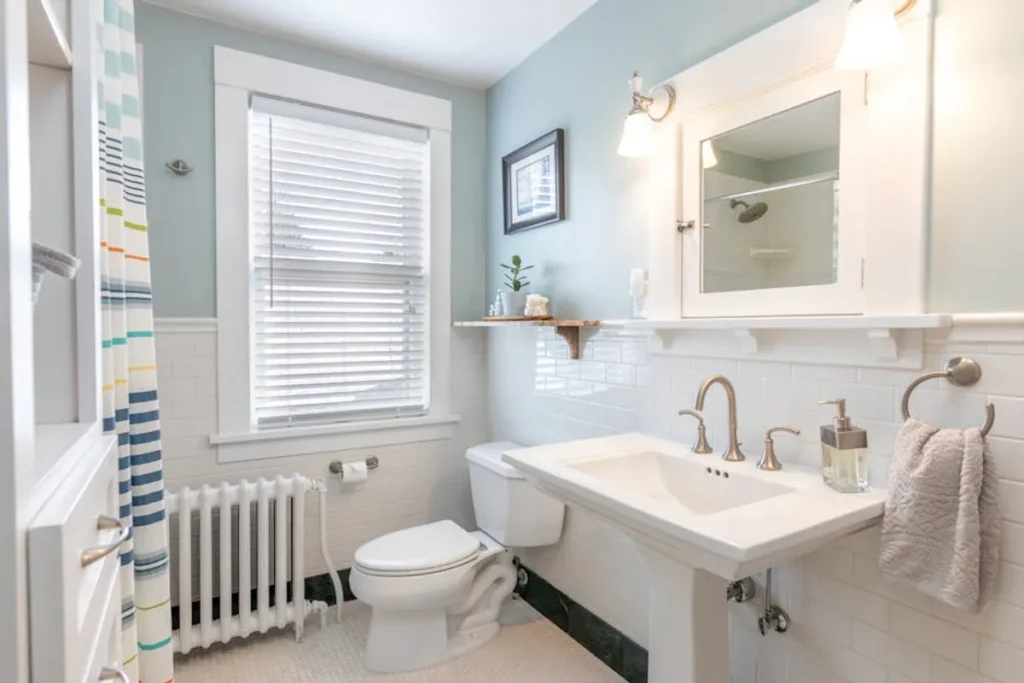
Revitalize your bathroom without a full remodel by focusing on strategic, high-impact updates to surfaces, lighting, storage, and decor. Discover practical, bu…
Undertaking a full bathroom remodel represents a significant investment in both time and capital, often involving weeks of disruption and costs that can quickly escalate. For many, the objective is not a complete overhaul but rather a strategic refresh: enhancing aesthetics, improving functionality, and increasing the perceived value of the space without the complexities of demolition, re-plumbing, or structural changes. This approach prioritizes targeted updates that yield substantial visual and practical impact while adhering to tighter budgets and timelines. The focus shifts from rebuilding to revitalizing, leveraging accessible materials and techniques to transform the existing footprint into a more modern, comfortable, and efficient environment.
Transforming the largest visual surfaces in a bathroom—walls, floors, and existing cabinetry—offers the most dramatic impact without requiring demolition. These updates leverage modern materials and application techniques designed for durability in high-moisture environments.
While a fresh coat of paint remains a foundational update, consider options that introduce texture or pattern without the commitment of traditional tiling. Peel-and-stick wallpaper, specifically formulated for bathrooms, provides a removable, low-VOC solution for accent walls or entire spaces. For areas requiring water resistance, waterproof wall panels, available in various finishes from faux marble to wood grain, install directly over existing surfaces, significantly reducing labor and material costs compared to traditional tile installation. These panels offer a seamless, grout-free surface that simplifies cleaning and maintenance.
Replacing flooring is often perceived as a major undertaking, but several options allow for installation directly over existing tile or vinyl. High-quality luxury vinyl plank (LVP) or tile (LVT) offers waterproof performance, durability, and a realistic appearance of wood or stone. These materials are designed for floating installation or adhesive application, eliminating the need for messy grout and subfloor preparation in many cases. For a more temporary or budget-conscious solution, peel-and-stick vinyl tiles provide a quick aesthetic uplift, particularly in smaller bathrooms or powder rooms, though their longevity may not match that of LVP/LVT.
Instead of replacing an entire vanity unit, focus on refreshing its components. Repainting existing cabinets with specialized cabinet paint kits designed for high-traffic areas can dramatically alter the room's aesthetic. For a more refined finish, consider professional cabinet spraying services. Swapping out hardware—knobs, pulls, and hinges—is a low-cost, high-impact update that can modernize an older unit. If the vanity top is dated but structurally sound, consider resurfacing kits that apply a new, durable finish over laminate or cultured marble. Alternatively, replacing just the countertop and sink basin, while retaining the existing cabinet base, offers a significant upgrade without the full cost of a new vanity. Repainting existing cabinets with specialized cabinet paint kits designed for high-traffic areas can dramatically alter the room's aesthetic, offering a budget-friendly alternative to a full replacement.
Lighting significantly influences a bathroom's perceived size, cleanliness, and mood. Strategic updates can enhance both functionality and atmosphere without electrical re-wiring.
Pro Tip: When selecting new lighting fixtures, pay attention to their IP (Ingress Protection) rating. For bathrooms, especially near showers or tubs, fixtures with an IP rating of IP44 or higher are recommended to ensure protection against splashing water and humidity, enhancing safety and longevity.
Clutter detracts from any space, and bathrooms are no exception. Implementing smart storage solutions can drastically improve functionality and visual appeal without structural changes.
Utilize vertical space with over-the-toilet shelving units, tall narrow cabinets, or open shelving. Floating shelves add a contemporary touch and provide display opportunities for decorative items or neatly folded towels. For smaller items, wall-mounted medicine cabinets, especially those with integrated mirrors, offer discreet storage and dual functionality. Ensure any wall-mounted units are securely anchored into studs for safety.
Inside existing cabinets and drawers, implement organizers, dividers, and pull-out trays. These inexpensive additions maximize usable space, prevent clutter, and make it easier to locate items. Clear acrylic organizers are particularly effective for visibility and maintaining a clean aesthetic.
The easiest and most cost-effective way to refresh a bathroom's aesthetic is through textiles and decorative accents. These elements introduce color, texture, and personality.
Update all soft goods simultaneously for a cohesive look. Choose a color palette that complements the new wall or vanity finishes. High-quality, plush towels and a new bath mat instantly elevate the feel of the room. A fresh shower curtain, especially one with a bold pattern or unique texture, can serve as a significant focal point. Consider a double-rod system for the shower curtain to allow for a decorative outer curtain and a functional inner liner.
Replacing a standard builder-grade mirror with a framed, oversized, or uniquely shaped mirror can dramatically change the vanity area's character. Introduce small pieces of art or framed prints that align with the chosen aesthetic. Live plants, particularly those that thrive in high-humidity environments like ferns or peace lilies, add natural vibrancy and improve air quality. For low-maintenance options, high-quality faux plants can achieve a similar effect.
Executing a bathroom refresh requires a systematic approach to ensure efficiency and optimal results. Prioritize changes based on impact and budget, starting with the largest surfaces for maximum visual return.
Before purchasing materials, create a detailed plan including measurements, a color scheme, and a realistic budget. Consider the long-term durability and maintenance requirements of new materials, especially in a high-moisture environment. While many of these updates are DIY-friendly, certain tasks like fixture installation or resurfacing may benefit from professional assistance to ensure proper execution and longevity. A phased approach allows for spreading costs and managing time commitments effectively, ensuring each update contributes to a cohesive, revitalized space.
Repainting walls and updating soft goods (towels, shower curtain, bath mat) offers the most significant visual impact for the lowest cost. These changes can dramatically alter the room's color scheme and overall feel.
Yes, specialized epoxy-based tile paint kits are available for painting over ceramic or porcelain tiles. Proper surface preparation, including thorough cleaning and degreasing, is critical for adhesion and durability. This method is best for areas not subject to direct, constant water exposure, such as walls rather than shower enclosures.
Utilize light colors on walls and floors, incorporate large mirrors to reflect light and create an illusion of depth, and implement vertical storage to free up floor space. Strategic lighting, especially bright, even illumination, also contributes to a more open feel.
Peel-and-stick vinyl tiles can be a durable option for bathroom floors, particularly in low-traffic areas or powder rooms, provided the subfloor is clean, smooth, and dry. For higher traffic or areas with more moisture exposure, luxury vinyl plank (LVP) or tile (LVT) offers superior durability and water resistance.
If you tackled this, send me a photo. Seriously.
Tag me @diy.queen or email [email protected]