Beginner Sewing and Fabric Craft Ideas
Discover foundational sewing and fabric craft projects, essential tools, and skill-building techniques for beginners seeking practical, rewarding creative.

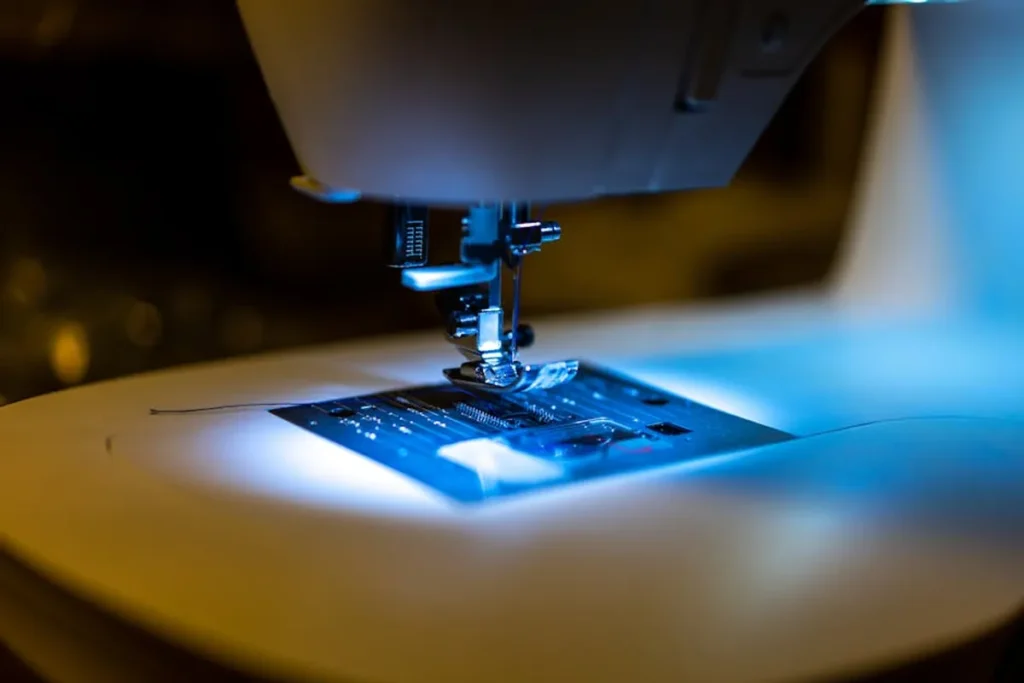
Discover foundational sewing and fabric craft projects, essential tools, and skill-building techniques for beginners seeking practical, rewarding creative.
Embarking on sewing and fabric crafts offers a rewarding pathway into creative expression, often with minimal initial investment. For beginners, the key is selecting projects that build foundational skills without overwhelming complexity, ensuring early successes foster continued engagement rather than frustration. This approach prioritizes clear instruction, accessible materials, and achievable outcomes, laying a solid groundwork for more intricate work later.
Before diving into specific projects, assembling a basic toolkit streamlines the learning process and ensures you have the right instruments for common tasks. Prioritize quality over quantity for tools you'll use frequently, as precision and durability directly impact project success and enjoyment.
Hand sewing is the most accessible entry point, requiring few specialized tools. These items facilitate basic mending, decorative embellishments, and small-scale fabric constructions.
If you're progressing to machine sewing, a few additional items will enhance efficiency and accuracy. While a sewing machine is the primary investment, these accessories improve the overall experience.
Starting with projects that build core skills sequentially helps beginners gain confidence. These ideas focus on straight seams, basic finishing, and simple construction techniques.
Best for: Developing fine motor skills, understanding fabric manipulation, and practicing basic stitches.
Felt is an excellent beginner fabric for hand sewing due to its non-fraying edges and easy handling. Consider projects like:
Best for: Mastering straight stitching, understanding seam allowances, and basic garment/home decor construction.
Choose woven cotton fabrics like quilting cotton for their stability and ease of handling on a machine.
Pro Tip: Always press your seams as you go. Ironing after each major seam ensures cleaner, crisper finishes and helps fabric lie flat, preventing puckering and aligning subsequent pieces more accurately. This step, though seemingly minor, significantly elevates the quality of your finished project.
For those hesitant about needles or machines, many fabric crafts require no sewing at all, focusing instead on cutting, gluing, and tying techniques.
Best for: Instant gratification, upcycling, and exploring textural elements without stitching.
As you complete initial projects, reflect on what you enjoyed and what challenged you. This self-assessment guides your next steps, whether it's refining a specific skill or exploring a new technique. Engage with online communities, local craft groups, or workshops to gain further inspiration and support. Consistency in practice, even with small projects, is more effective than infrequent, ambitious undertakings. Focus on building a repertoire of reliable techniques rather than rushing to complex designs. This methodical approach ensures lasting skill development and ongoing creative satisfaction.
Woven cotton fabrics, such as quilting cotton or broadcloth, are generally recommended for beginners. They are stable, easy to cut, don't stretch, and hold their shape well, making them forgiving for learning basic stitches and machine handling.
For a beginner, look for a basic mechanical sewing machine with essential stitches (straight stitch, zigzag stitch) and adjustable stitch length. Prioritize ease of use, clear threading instructions, and a reliable brand with good customer support. Avoid overly complex computerized machines initially, as they can be overwhelming.
Common mistakes include not pressing seams, using dull scissors, skipping pre-washing fabric (which can lead to shrinkage later), and rushing. To avoid these, take your time, press frequently, use sharp tools, always pre-wash natural fiber fabrics, and practice patience with each step.
Numerous resources offer free patterns and tutorials online, including craft blogs, YouTube channels, and fabric manufacturers' websites. Search for terms like "free beginner sewing patterns," "easy fabric craft tutorials," or "no-sew DIY projects" to find a wealth of options.
If you tackled this, send me a photo. Seriously.
Tag me @diy.queen or email [email protected]