DIY Home Decor Ideas That Look Expensive on a Budget
Discover how to create a luxurious home aesthetic without overspending, using strategic DIY projects that elevate perceived value and sophistication.

Discover how to create a luxurious home aesthetic without overspending, using strategic DIY projects that elevate perceived value and sophistication.
Creating a home environment that feels luxurious often implies a significant financial outlay. However, the commercial opportunity lies in demonstrating that an elevated aesthetic is achievable without a prohibitive budget. Savvy DIY projects, when executed with attention to detail and material selection, can transform spaces, adding perceived value and sophistication. This approach focuses on strategic interventions that mimic high-end design elements, making expensive looks accessible through clever, cost-effective methods. This approach focuses on strategic interventions that mimic high-end design elements, making expensive looks accessible through clever, cost-effective methods, especially when you stock up on budget-friendly craft supplies.
Lighting is a foundational element in interior design, often overlooked in budget renovations. Generic, builder-grade fixtures detract from a room's potential, while carefully chosen or modified lighting can dramatically alter perception. The goal is to introduce layered lighting and statement pieces that appear custom-designed.
Existing light fixtures, even basic ones, can be revitalized. A matte black, antique brass, or brushed nickel spray paint finish can instantly update a dated chandelier or sconce. This simple modification changes the perceived material quality. For pendant lights, consider swapping out standard cords for fabric-wrapped versions, adding a bespoke touch. The key is selecting finishes that align with current high-end trends, such as deep bronzes or muted golds, which suggest a more substantial investment.
Beyond the fixtures themselves, the quality of light profoundly impacts atmosphere. Installing dimmer switches allows for adjustable ambiance, a feature common in custom homes. This control over light intensity creates a more sophisticated, mood-driven environment. Simultaneously, investing in warm-toned, high-CRI (Color Rendering Index) LED smart bulbs can replicate the rich glow of incandescent lighting, often at a fraction of the operating cost. These bulbs, especially those with visible filaments, add a vintage-inspired, designer aesthetic.
Textiles introduce texture, color, and comfort, critical components of a high-end interior. The secret to making them look expensive on a budget lies in selecting materials with a luxurious hand-feel and employing strategic layering.
Generic throw pillows often feature limp inserts and basic covers. Replacing polyester inserts with down or down-alternative versions provides a plush, substantial feel. For covers, opt for fabrics like velvet, faux fur, linen blends, or thick cotton canvas. Source these from fabric remnants, discount stores, or by upcycling old garments. The visual weight and tactile quality of these materials immediately convey luxury. Layering different textures – a faux fur throw over a linen pillow, for instance – adds depth and visual interest, mimicking curated designer spaces.
A single, thin rug can feel insubstantial. Layering rugs, particularly a large, neutral base rug (like jute or sisal) with a smaller, more decorative rug on top (such as a vintage-inspired Persian or a high-pile shag), creates a sense of abundance and warmth. This technique defines zones within a room and adds a tactile richness that elevates the overall design. Seek out affordable options at online retailers, discount outlets, or second-hand stores, focusing on patterns and textures that complement each other rather than competing.
Pro Tip: When sourcing textiles or furniture for DIY projects, prioritize natural fibers or high-quality blends. Cotton, linen, wool, and velvet inherently look and feel more expensive than synthetic alternatives. Even small touches, like replacing polyester curtain ties with genuine leather straps, contribute to a higher perceived value.
Artwork and decorative objects are essential for personalization and adding character. The goal is to create a collected, intentional look, avoiding generic mass-produced items.
Filling a large wall with a single, impactful piece of art draws the eye and anchors a room. This can be achieved affordably by creating abstract art on a large canvas using leftover house paint, or by printing high-resolution digital art files (available for purchase online) at a local print shop. Framing is crucial; a simple, substantial frame in black, white, or a metallic finish elevates even the most basic print. For gallery walls, thrift stores are excellent sources for unique, mismatched frames that can be unified with a coat of spray paint.
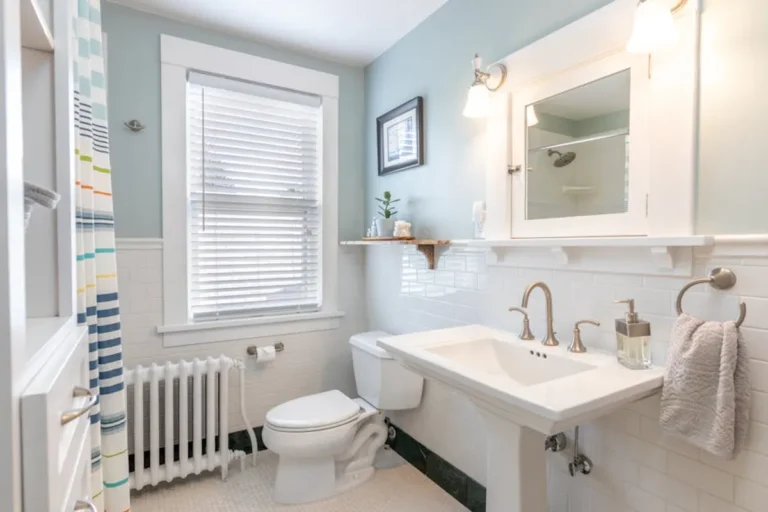
Displaying everyday items in an intentional, curated manner can transform their perceived value. For instance, decanting dry goods like pasta, rice, or coffee into clear glass jars with airtight lids creates an organized, aesthetically pleasing pantry or kitchen counter display. Similarly, using attractive containers for toiletries in a bathroom or arranging books by color on a shelf adds a deliberate, designer touch. The key is consistency in container choice and thoughtful arrangement.
Transforming existing or inexpensive furniture and adding architectural elements are powerful ways to inject custom, high-end style.
IKEA furniture, while functional, often lacks a bespoke feel. Simple modifications like painting a dresser a rich, deep color, adding new brass or leather hardware, or applying peel-and-stick veneer to tabletops can completely change its character. Similarly, a solid wood piece from a thrift store, even if dated, can be sanded, stained, or painted to become a statement item. Focus on pieces with good bones and simple lines that lend themselves to customization.
Molding, wainscoting, or even a simple picture rail can transform a plain wall into one with character and depth. These elements, often associated with custom homes, can be installed relatively inexpensively using pre-primed MDF or pine. A fresh coat of paint, especially in a contrasting or monochromatic shade, highlights these details. For renters, peel-and-stick wallpaper or temporary wall decals offer a similar effect without permanent alteration, allowing for the introduction of texture or pattern that mimics expensive wall treatments.
The cumulative effect of these budget-friendly DIY projects is a space that feels intentionally designed and luxurious. Success hinges on a discerning eye for detail, a commitment to quality in materials (even if sourced affordably), and a cohesive vision for the room. By focusing on elements that create visual weight, texture, and tailored finishes, it is possible to craft an expensive-looking home without the premium price tag. This strategy not only saves money but also imbues your living space with personal character and a sense of accomplishment.
Prioritize natural fibers like cotton, linen, wool, and velvet for textiles. For hardware and finishes, opt for matte black, brushed brass, or antique bronze. Wood, glass, and ceramic elements also convey quality over plastic or cheap laminates.
Focus on clean lines, precise execution, and high-quality finishes. Use proper tools, take your time, and don't skip steps like sanding or priming. A cohesive color palette and thoughtful arrangement of items also prevent a disjointed, amateur appearance.
Thrift stores, flea markets, online marketplaces (like Facebook Marketplace or Craigslist), fabric remnant bins, discount hardware stores, and even clearance sections of larger retailers are excellent sources for materials, furniture, and decorative items.
High-end aesthetics often feature muted, sophisticated color palettes. Consider deep neutrals (charcoal, taupe, off-white), rich jewel tones (emerald, sapphire, amethyst), or monochromatic schemes with varying textures. Avoid overly bright or primary colors unless used sparingly as intentional accents.
If you tackled this, send me a photo. Seriously.
Tag me @diy.queen or email [email protected]